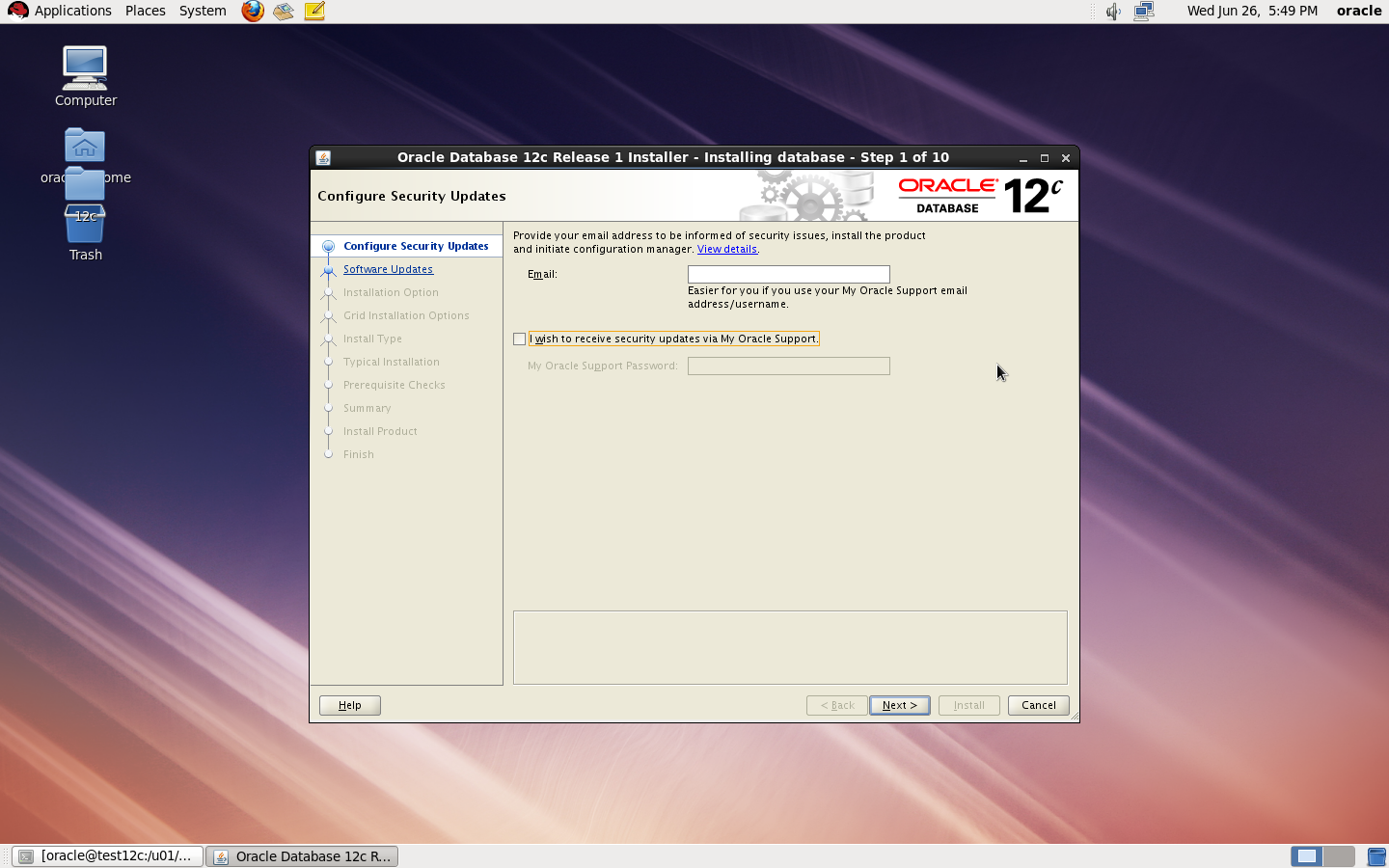
Another New Features 12c : generated as identity / Sequence Replacement

in old version of oracle database if you want to create automatic generated number you have to create sequence and use attribute nextval.

But with oracle database 12c this concept is changed new features add when you create table called generated as identity.

Check the Below Demonstration which explain this new features :

SQL> create table test (test_id number generated as identity , test_name varchar2(20));

SQL> desc test ;
 Name   Null?      Type
 —————————————–   ——– ————–
 TEST_ID   NOT      NULL NUMBER
 TEST_NAME          VARCHAR2(20)

SQL> insert into test values (1,’osama’);
insert into test values (1,’osama’)
*
ERROR at line 1:
ORA-32795: cannot insert into a generated always identity column

The TEST_ID Column will be inserting automatically  no need to use in insert command.

SQL> insert into test (TEST_NAME) values ( ‘Jennifer’ );
1 row created.

SQL> select * from test ;
   TEST_ID TEST_NAME
———- ——————–
1       Jennifer 

Check another example :

SQL> create table test2 (TEST_ID NUMBER generated as identity (start with 1 increment by 1 cache 30 order), TEST_NAME varchar2(20));
Table created.

SQL> insert into test2 (test_name) values (‘JENNIFER’);
SQL> insert into test2 (test_name) values (‘STEVE’);
SQL> insert into test2 (test_name) values (‘USER’);

SQL> select * from test2 ;

   TEST_ID TEST_NAME
———- ——————–
1 JENNIFER
2 STEVE
3 USER
Thank you 
Osama mustafa

Queryable Patch Inventory New Features 12c

Again !!! Oracle 12c Under test , every time i tested it i discover new features, while i am testing today i found new folder under $ORACLE_HOME called QOPatch , for the first time when i opened this folder i only found two files,

Check the https://support.oracle.com note :

Oracle Database 12.1 : FAQ on Queryable Patch Inventory [ID 1530108.1] 

from the name you can see it’s retrieve  information  using query, and to use query you have to get access to SQL Plus, this features  allow you access to the OPatch information from within the database.  This Package called  DBMS_QOPATCH

Some of Attribute to use with this package :

  • GET_OPATCH_INSTALL_INFO
  • SET_CURRENT_OPINST
  • GET_OPATCH_LIST
  • IS_PATCH_INSTALLED
  • GET_OPATCH_DATA
  • GET_OPATCH_BUGS
  • GET_OPATCH_FILES
  • GET_OPATCH_COUNT
  • GET_OPATCH_PREQS
  • GET_OPATCH_OLAYS
  • PATCH_CONFLICT_DETECTION
  • GET_PENDING_ACTIVITY
  • GET_OPATCH_XSLT
  • GET_OPATCH_LSINVENTORY
  • GET_SQLPATCH_STATUS

Since this function used to get Opatch information within database then you have to access to SQL Plus 
Check the below examples :

SQL> select dbms_qopatch.get_opatch_lsinventory() from dual;

DBMS_QOPATCH.GET_OPATCH_LSINVENTORY()
——————————————————————————–

Another Examples :

SQL> select dbms_qopatch.GET_PENDING_ACTIVITY() from dual;
DBMS_QOPATCH.GET_PENDING_ACTIVITY()
——————————————————————————–

My Database still fresh and not patch yet So you will not find that much of information 
Thank you 
Osama mustafa

Move Datafiles Online 12c

As you know Oracle database 12c released Yesterday and we all still test it and learn what are the new features !!

For the first time in Oracle Database you can move objects online without offline or shutdown database which is very useful and helpful for any DBA’s

Check the example below :

SQL> select file_name from dba_data_files ;

FILE_NAME
——————————————————————————–
/u01/app/oracle/oradata/db12c/system01.dbf
/u01/app/oracle/oradata/db12c/sysaux01.dbf
/u01/app/oracle/oradata/db12c/users01.dbf
/u01/app/oracle/oradata/db12c/undotbs01.dbf

Let’s move system01.dbf 
SQL> alter database move datafile ‘/u01/app/oracle/oradata/db12c/system01.dbf’ to ‘/u01/system.dbf’;

SQL> select File_name from dba_data_files ;
FILE_NAME
——————————————————————————–
/u01/system.dbf
/u01/app/oracle/oradata/db12c/sysaux01.dbf
/u01/app/oracle/oradata/db12c/users01.dbf
/u01/app/oracle/oradata/db12c/undotbs01.dbf

Thank you
Osama mustafa 

New Features 12c EXPDP

While i am testing Oracle 12c i notice new features in expdp , which you can export view like the following :

SQL> create table test ( id number);
Table created.

SQL> create view test_vw as select * from test ;
View created.

SQL> create directory dump as ‘/u01/dump’;
Directory created.

SQL> grant read,write on directory dump to osama ;
Grant succeeded.

[oracle@test12c u01]$ expdp directory=dump dumpfile=test.dmp logfile=test.log VIEWS_AS_TABLES=test_vw
Export: Release 12.1.0.1.0 – Production on Wed Jun 26 18:33:52 2013
Copyright (c) 1982, 2013, Oracle and/or its affiliates.  All rights reserved.
Username: osama
Password: 
Connected to: Oracle Database 12c Enterprise Edition Release 12.1.0.1.0 – 64bit Production
With the Partitioning, OLAP, Advanced Analytics and Real Application Testing options
Starting “OSAMA”.”SYS_EXPORT_TABLE_01″:  osama/******** directory=dump dumpfile=test.dmp logfile=test.log VIEWS_AS_TABLES=test_vw 
Estimate in progress using BLOCKS method…
Processing object type TABLE_EXPORT/VIEWS_AS_TABLES/TABLE_DATA
Total estimation using BLOCKS method: 0 KB
Processing object type TABLE_EXPORT/VIEWS_AS_TABLES/TABLE
. . exported “OSAMA”.”TEST_VW”                              0 KB       0 rows
Master table “OSAMA”.”SYS_EXPORT_TABLE_01″ successfully loaded/unloaded
******************************************************************************
Dump file set for OSAMA.SYS_EXPORT_TABLE_01 is:
  /u01/dump/test.dmp
Job “OSAMA”.”SYS_EXPORT_TABLE_01″ successfully completed at Wed Jun 26 18:34:15 2013 elapsed 0 00:00:17
I dropped the view 

SQL> drop view Test_vw ;
View dropped.
impdp directory=dump dumpfile=test.dmp logfile=test.log VIEWS_AS_TABLES=test_vw


Thank you 
Osama mustafa

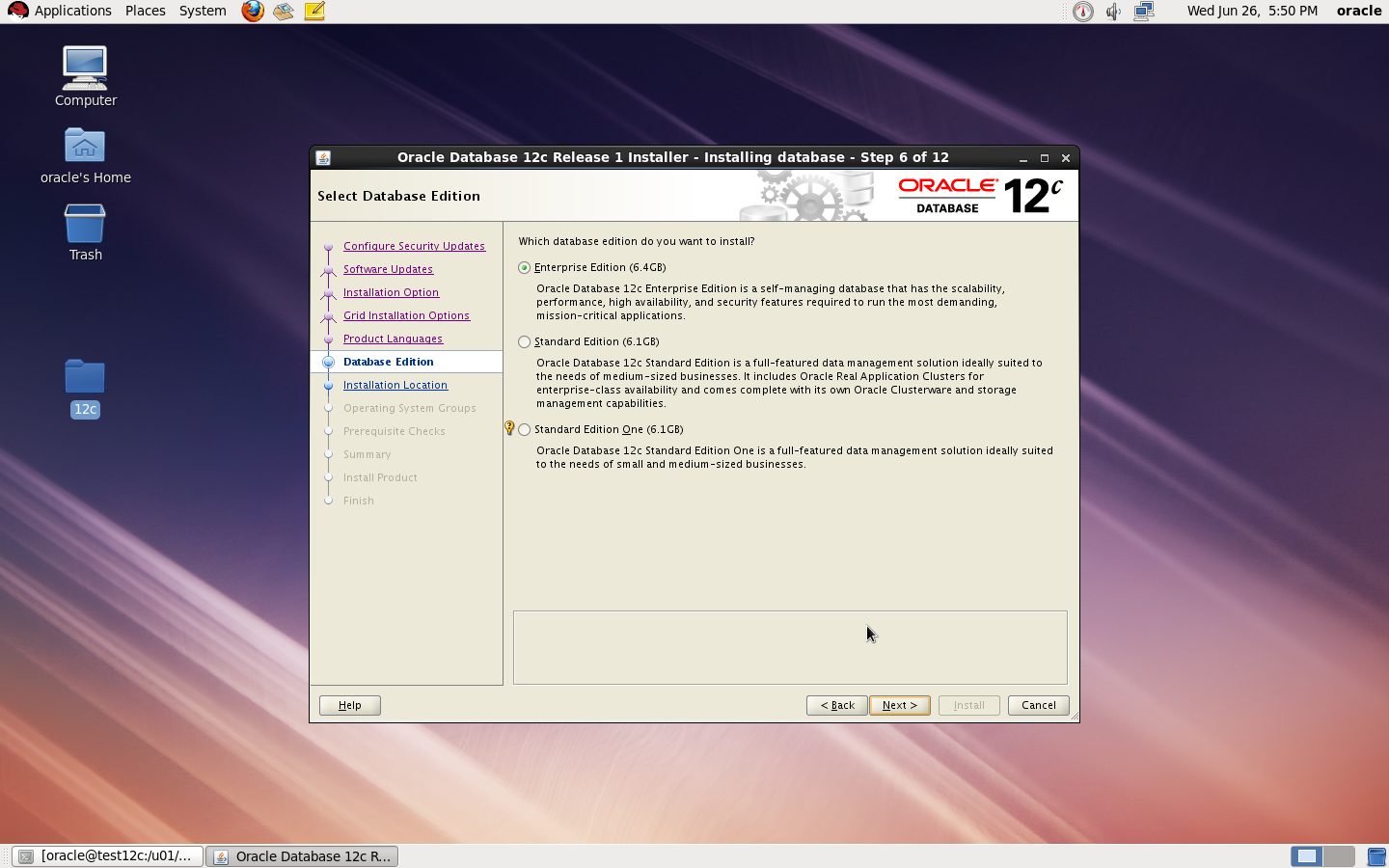
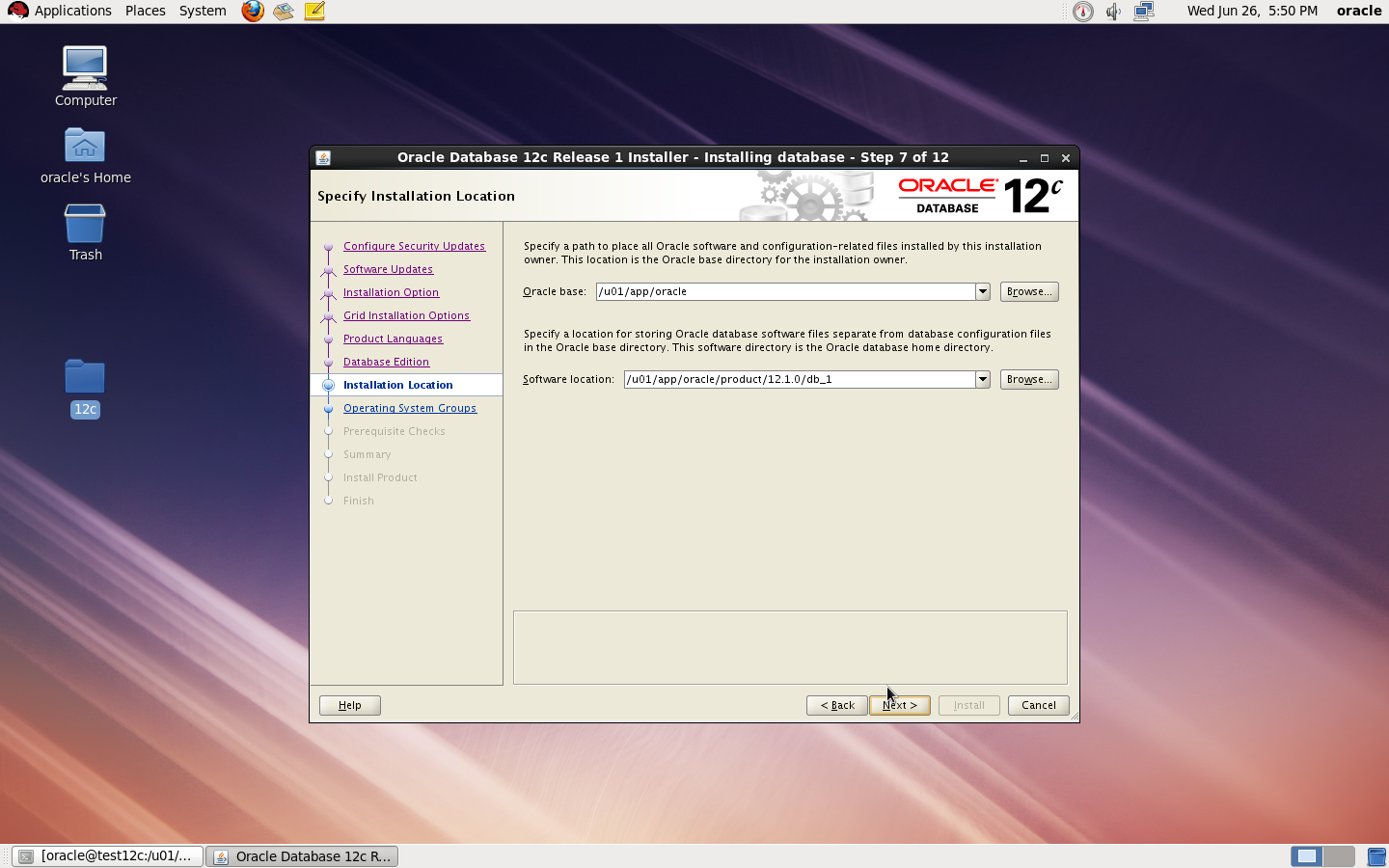
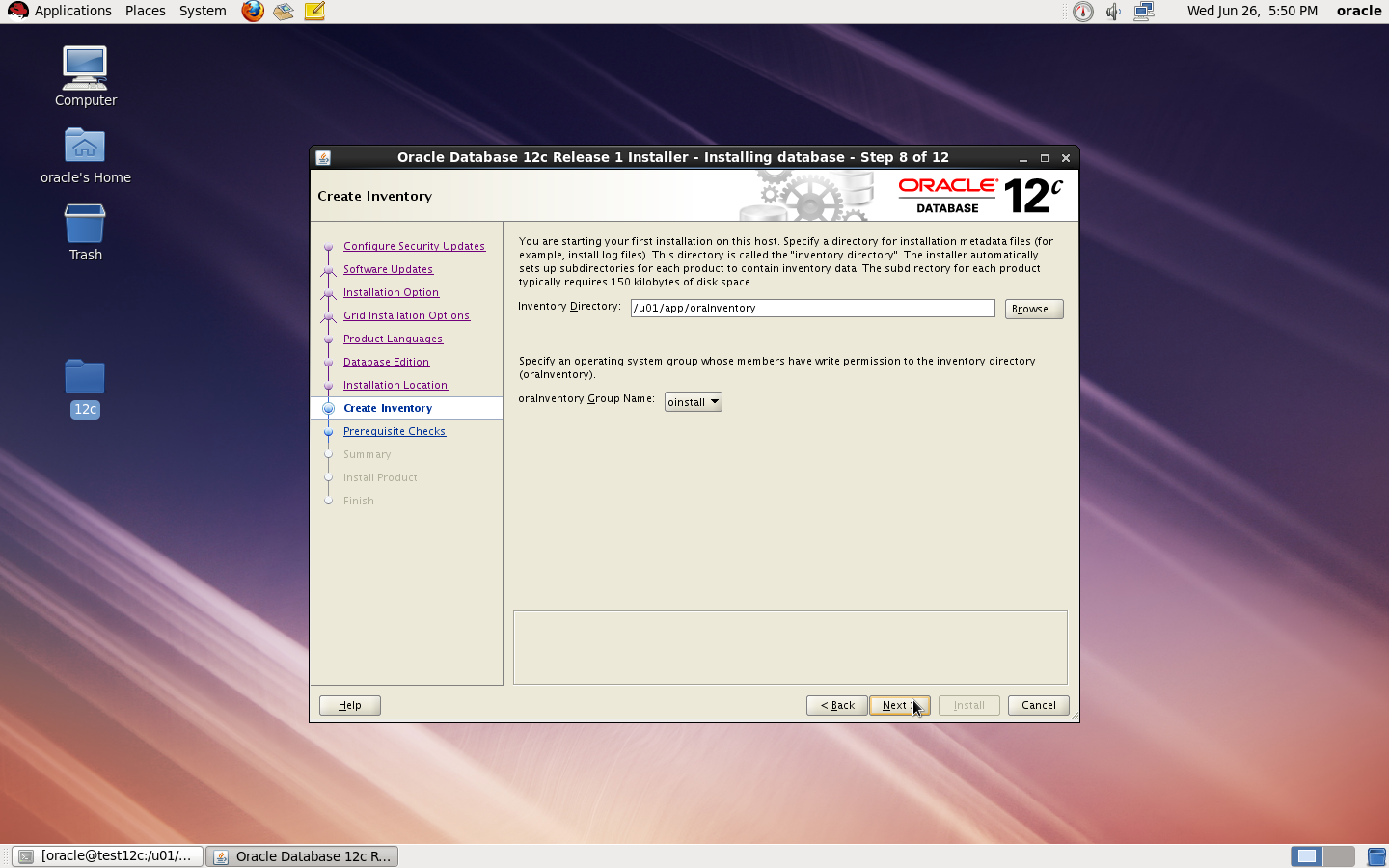
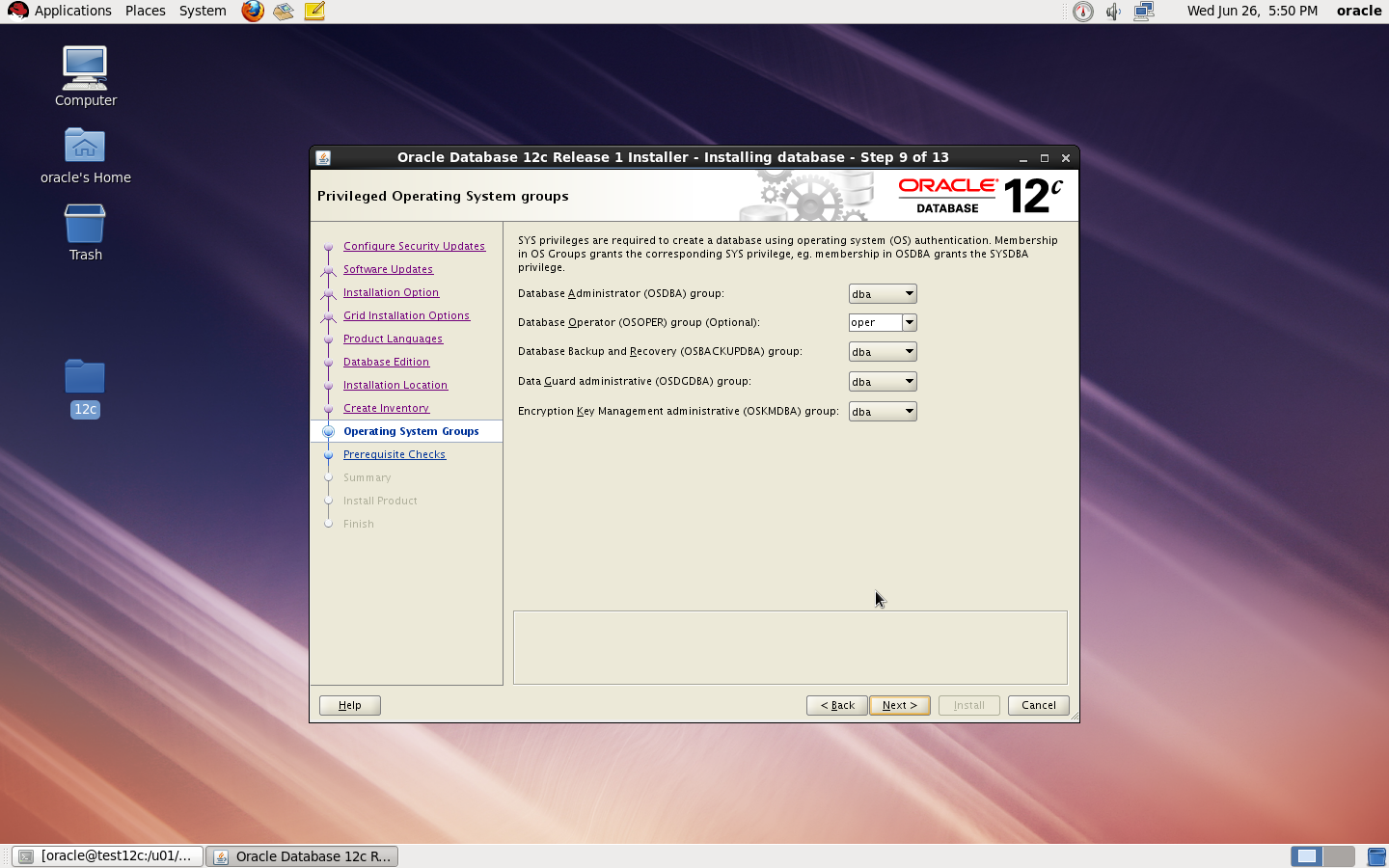
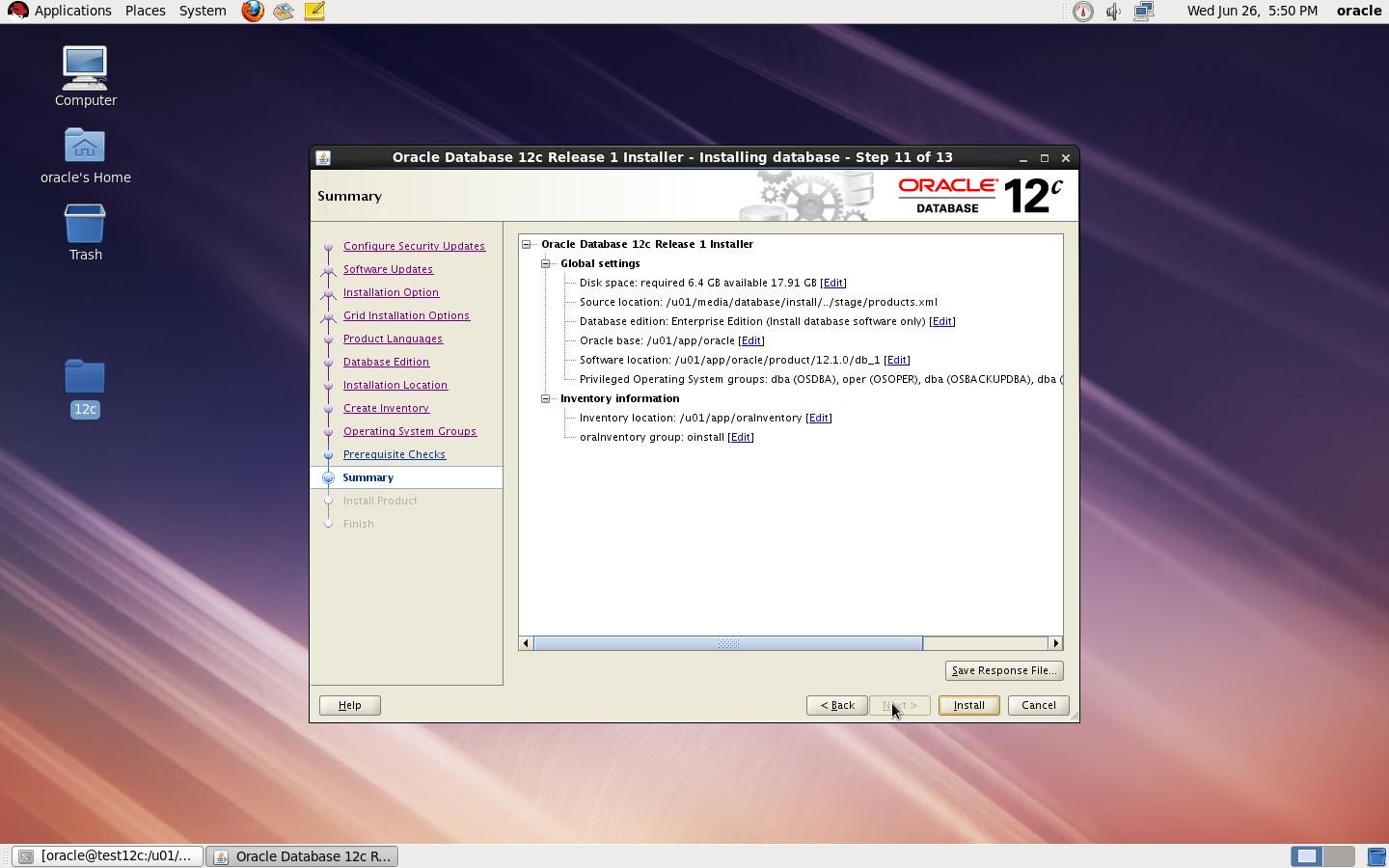
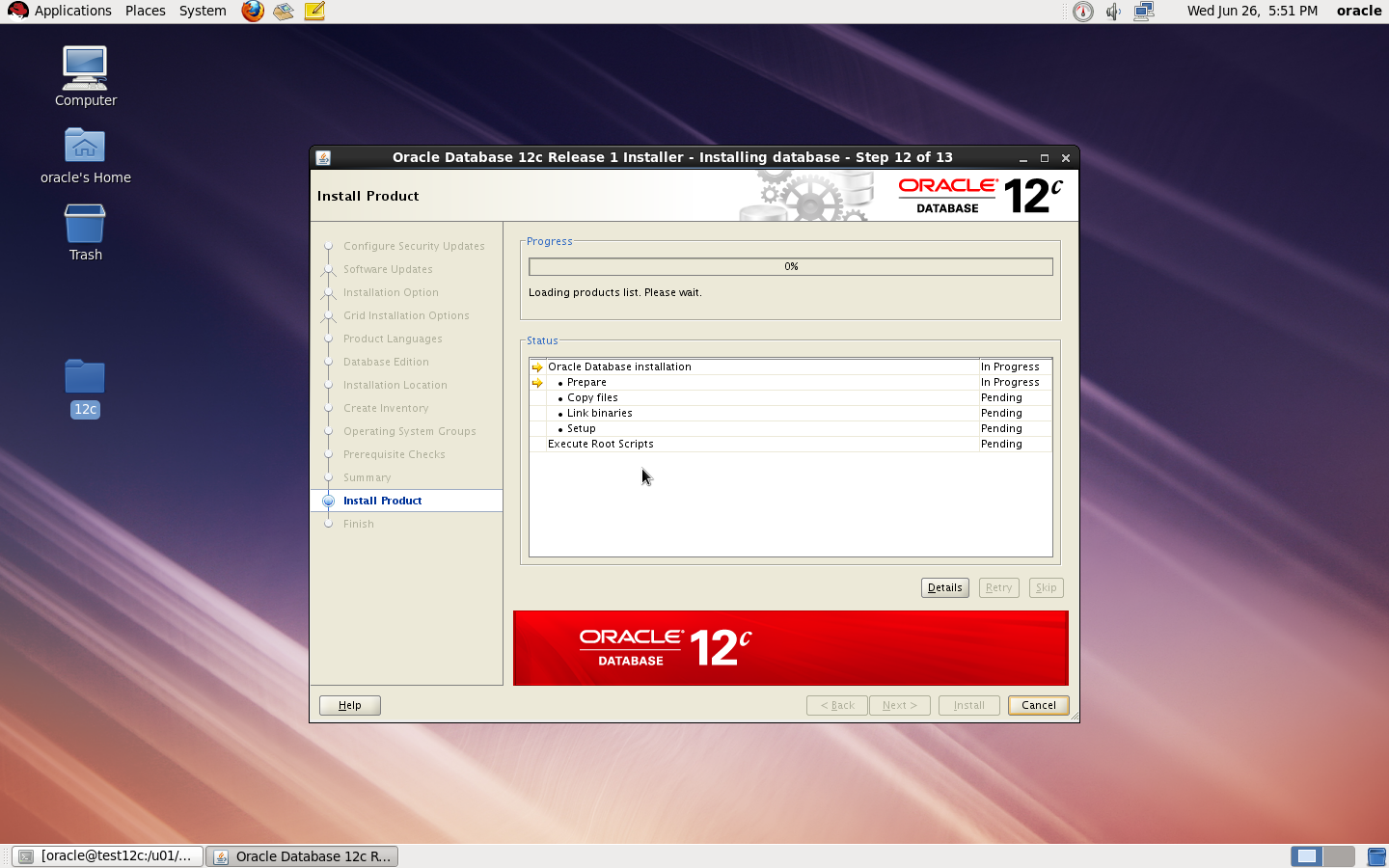
Database 12c Installation

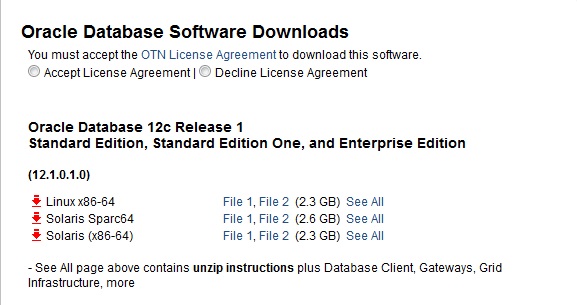
1. Download the Oracle Database 12.1 Software from OTN
2. Make sure Oracle Database Software and OS are certified using https://support.oracle.com
3. Make sure of the following

Hardware

you need to configure Swap Memory And make sure you RAM is enough to avoid Out Of memory during the installation.

Software

as i mention before check certified OS with database, in my case i will use Redhat 6 update 4.

install Packages :

binutils-2.20.51.0.2-5.11.el6 (x86_64)
glibc-2.12-1.7.el6 (x86_64)
libgcc-4.4.4-13.el6 (x86_64)
libstdc++-4.4.4-13.el6 (x86_64)
libaio-0.3.107-10.el6 (x86_64)
libXext-1.1 (x86_64)
libXtst-1.0.99.2 (x86_64)
libX11-1.3 (x86_64)
libXau-1.0.5 (x86_64)
libxcb-1.5 (x86_64)
libXi-1.3 (x86_64)
make-3.81-19.el6sysstat-9.0.4-11.el6 (x86_64)
compat-libcap1-1.10-1 (x86_64)
compat-libstdc++-33-3.2.3-69.el6 (x86_64)
gcc-4.4.4-13.el6 (x86_64)
gcc-c++-4.4.4-13.el6 (x86_64)
glibc-devel-2.12-1.7.el6 (x86_64)
ksh  <== any version of ksh is acceptable
libstdc++-devel-4.4.4-13.el6 (x86_64)
libaio-devel-0.3.107-10.el6 (x86_64)

inside /etc/sysctl.conf

fs.file-max = 6815744
kernel.sem = 250 32000 100 128
kernel.shmmni = 4096
kernel.shmall = 1073741824
kernel.shmmax = 4398046511104
net.core.rmem_default = 262144
net.core.rmem_max = 4194304
net.core.wmem_default = 262144
net.core.wmem_max = 1048576
fs.aio-max-nr = 1048576
net.ipv4.ip_local_port_range = 9000 65500

Use this command to restart kernel  /sbin/sysctl -p

/etc/hosts

  Serverip                Hostname

 /etc/security/limits.conf

oracle   soft   nofile    1024
oracle   hard   nofile    65536
oracle   soft   nproc    2047
oracle   hard   nproc    16384
oracle   soft   stack    10240
oracle   hard   stack    32768

/etc/pam.d/login

session required pam_limits.so

after edit OS parameter you need to create Oracle user :

groupadd -g 101 oinstall
groupadd -g 102 dba
groupadd -g 103 oper

 useradd -u 100 -g oinstall -G dba,oper oracle

passwd oracle

copy media to your Server , and do the following :

chown -R oracle:oinstall /u01/database
chmod -R 775 /u0/database
mkdir -p /u01/app/oracle/product/12.1.0/db_1
chown -R oracle:oinstall /u01
chmod -R 775 /u01

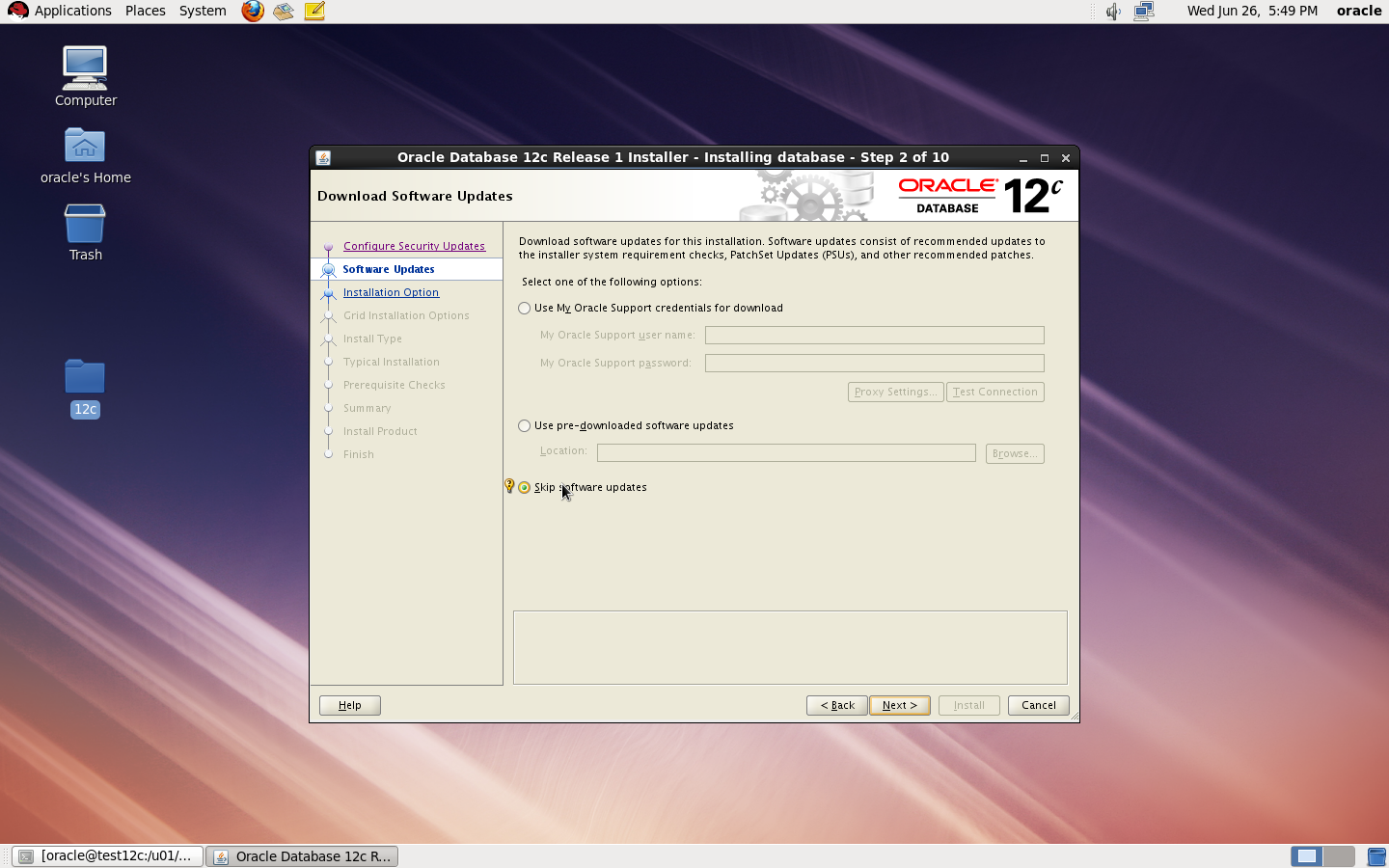
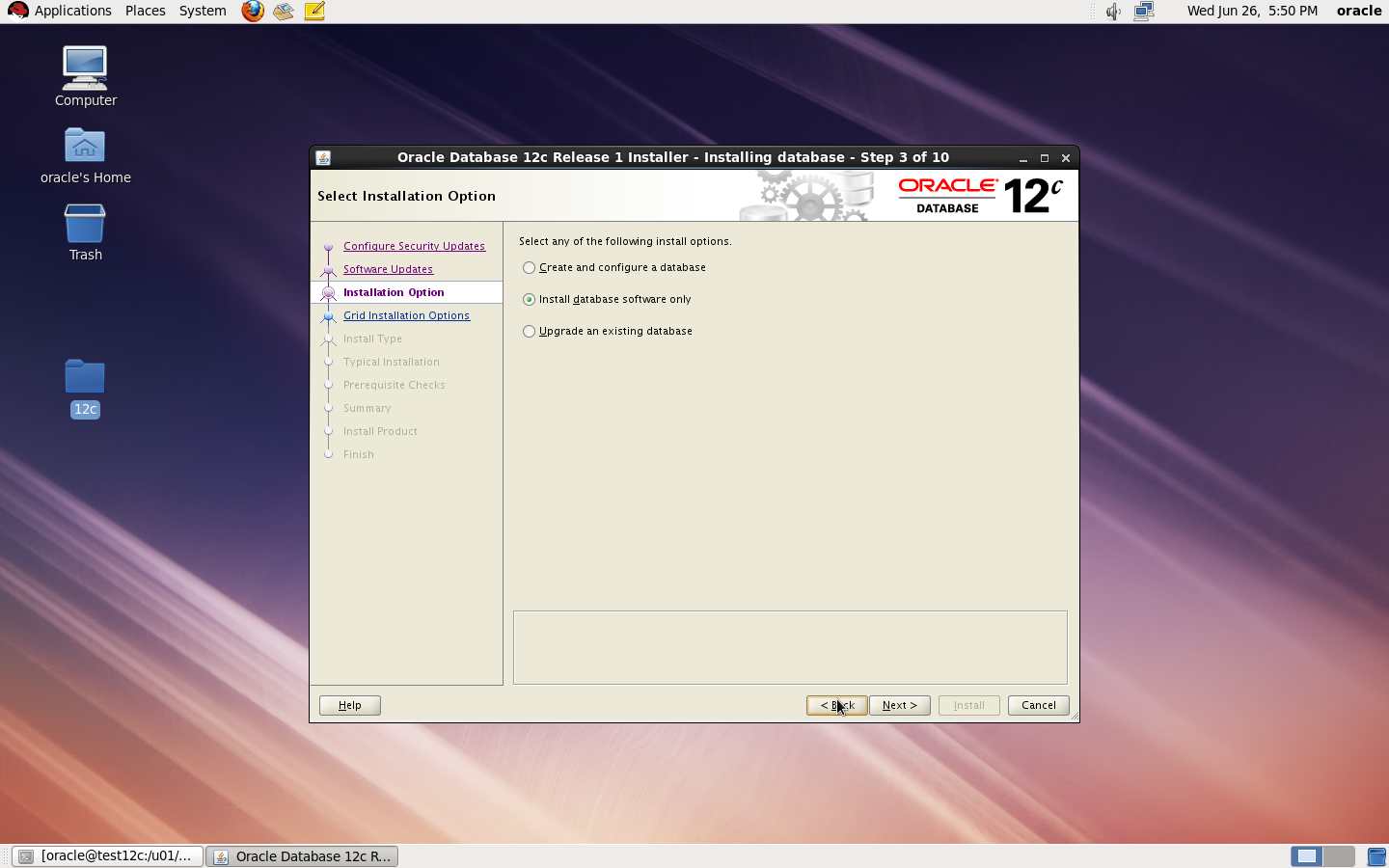
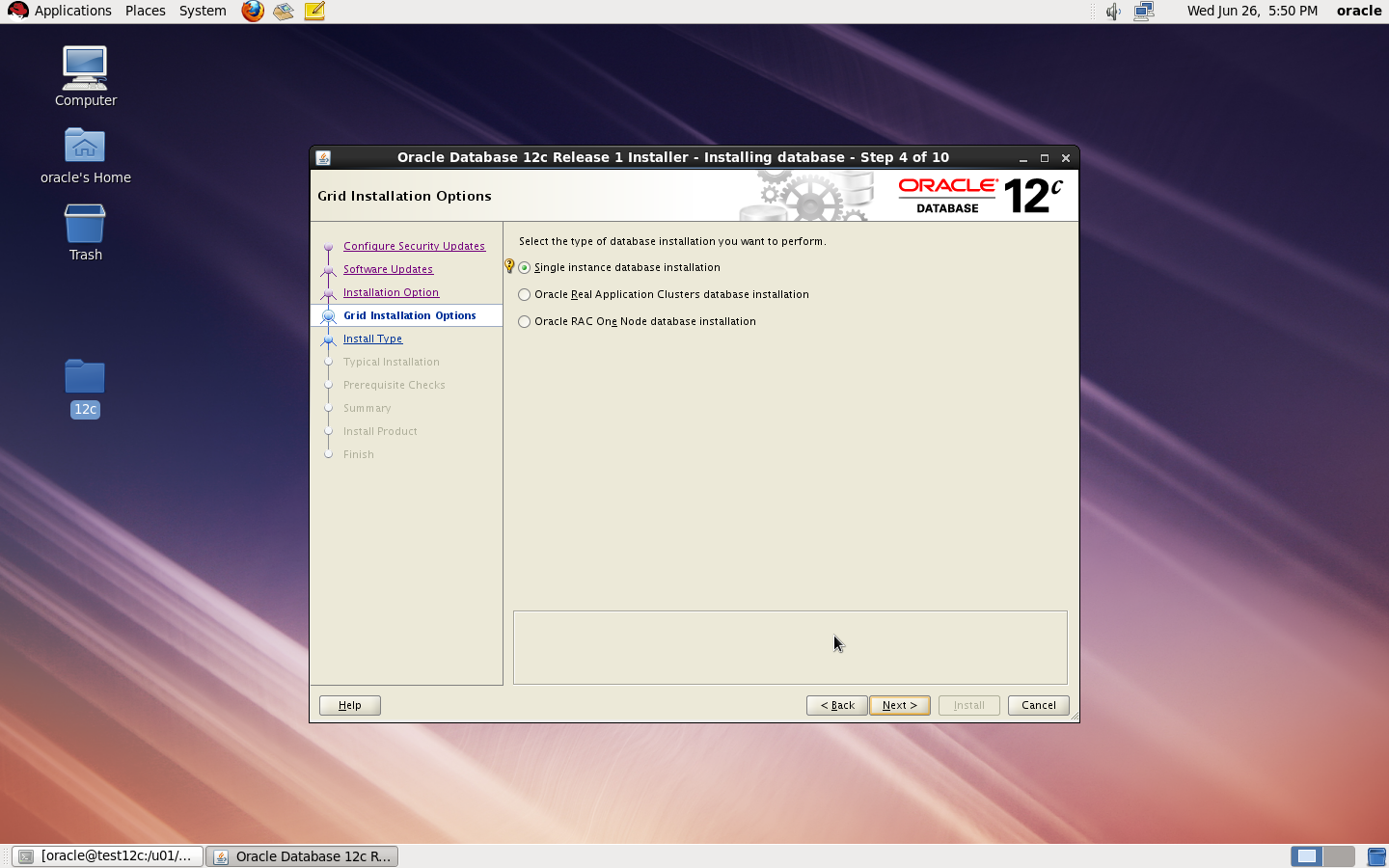
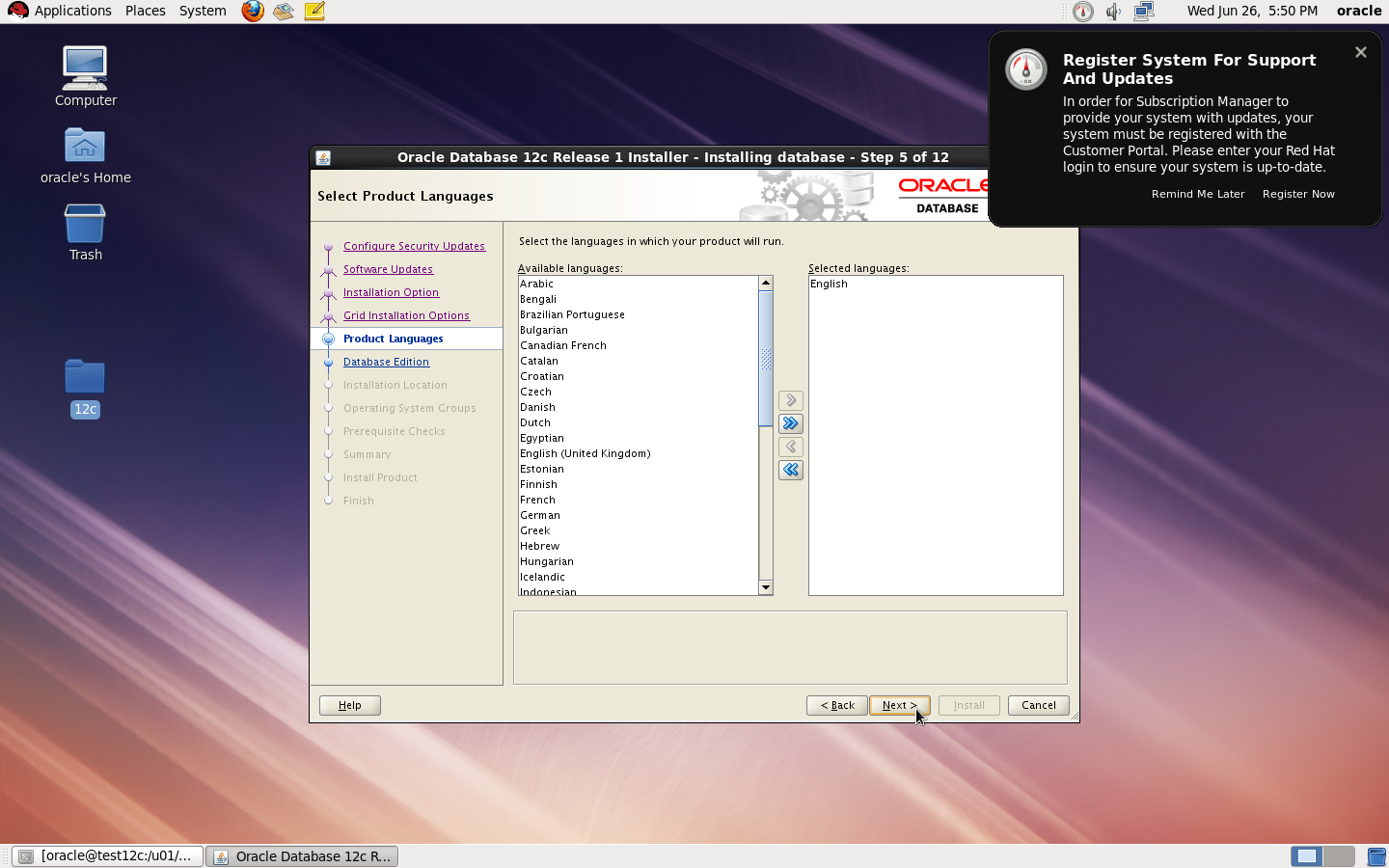
now start installation by ./runInstaller


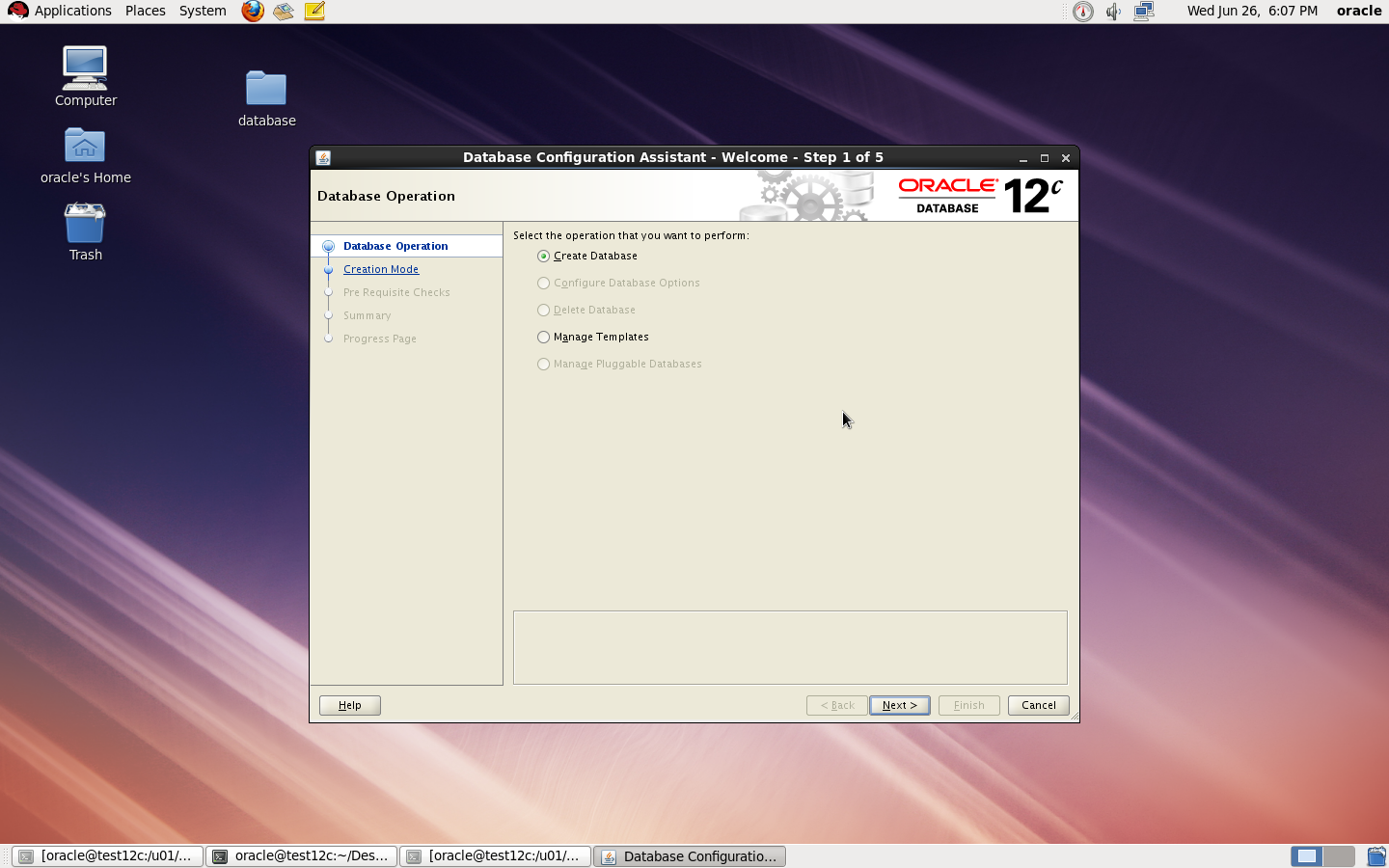
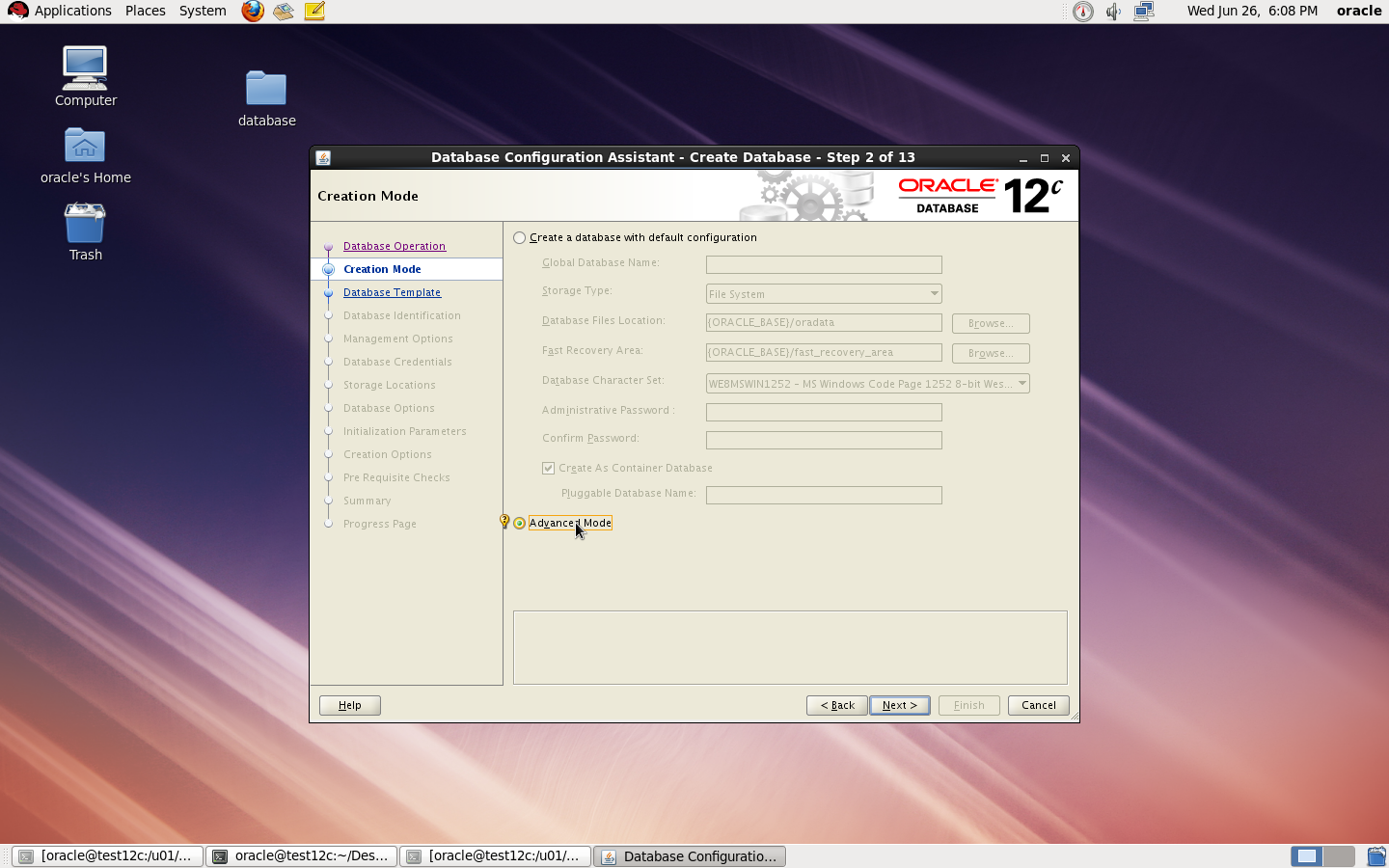
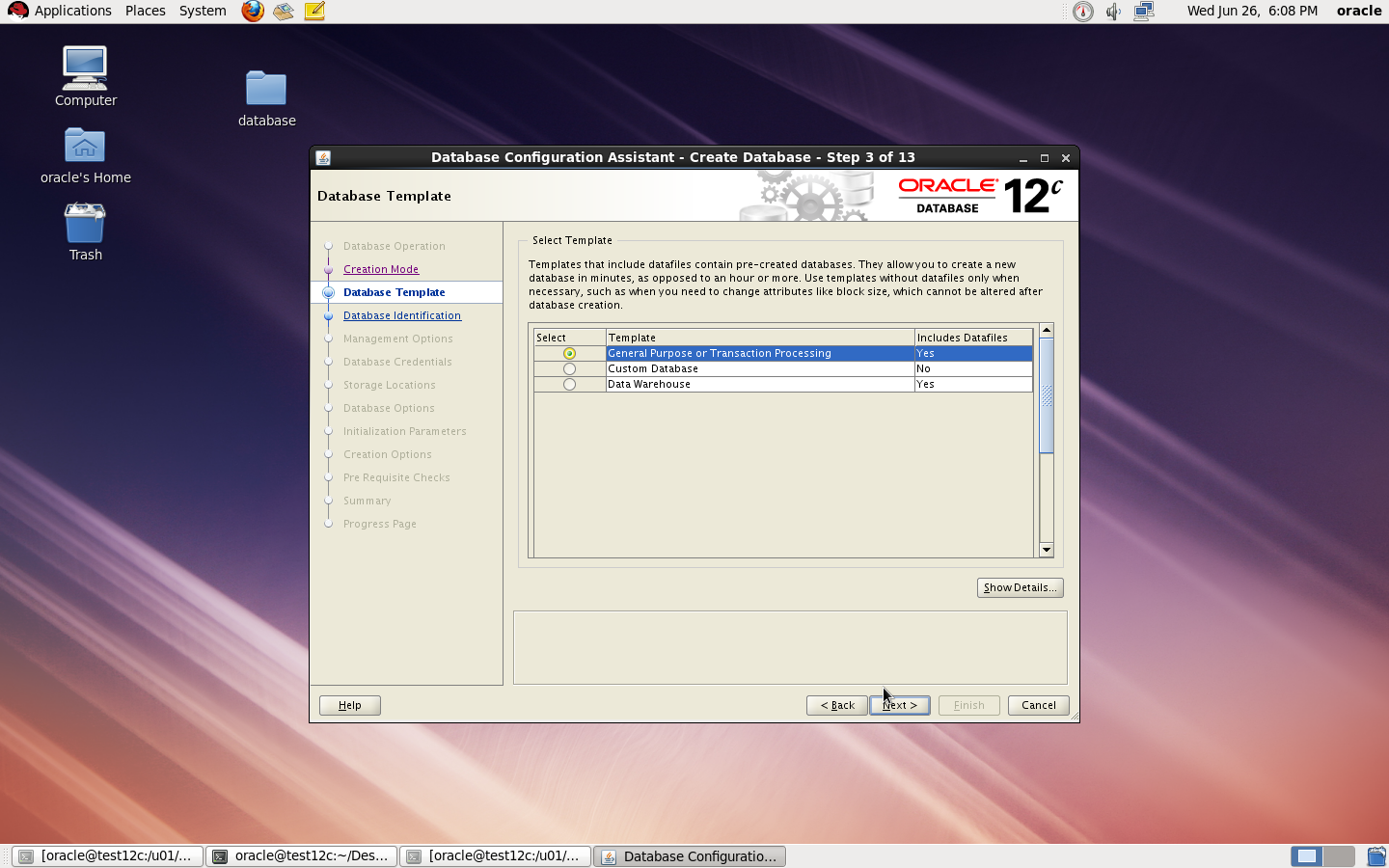
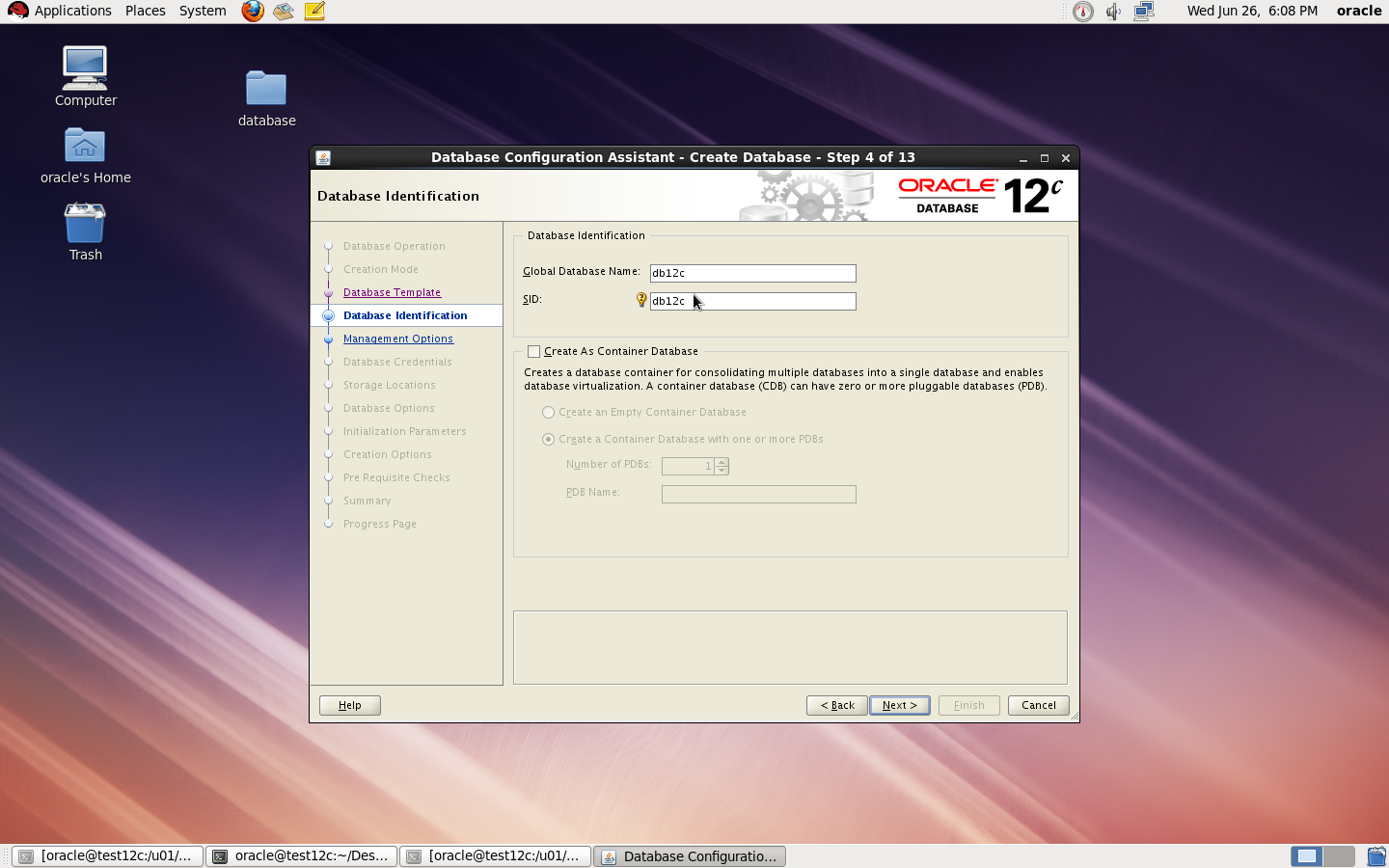
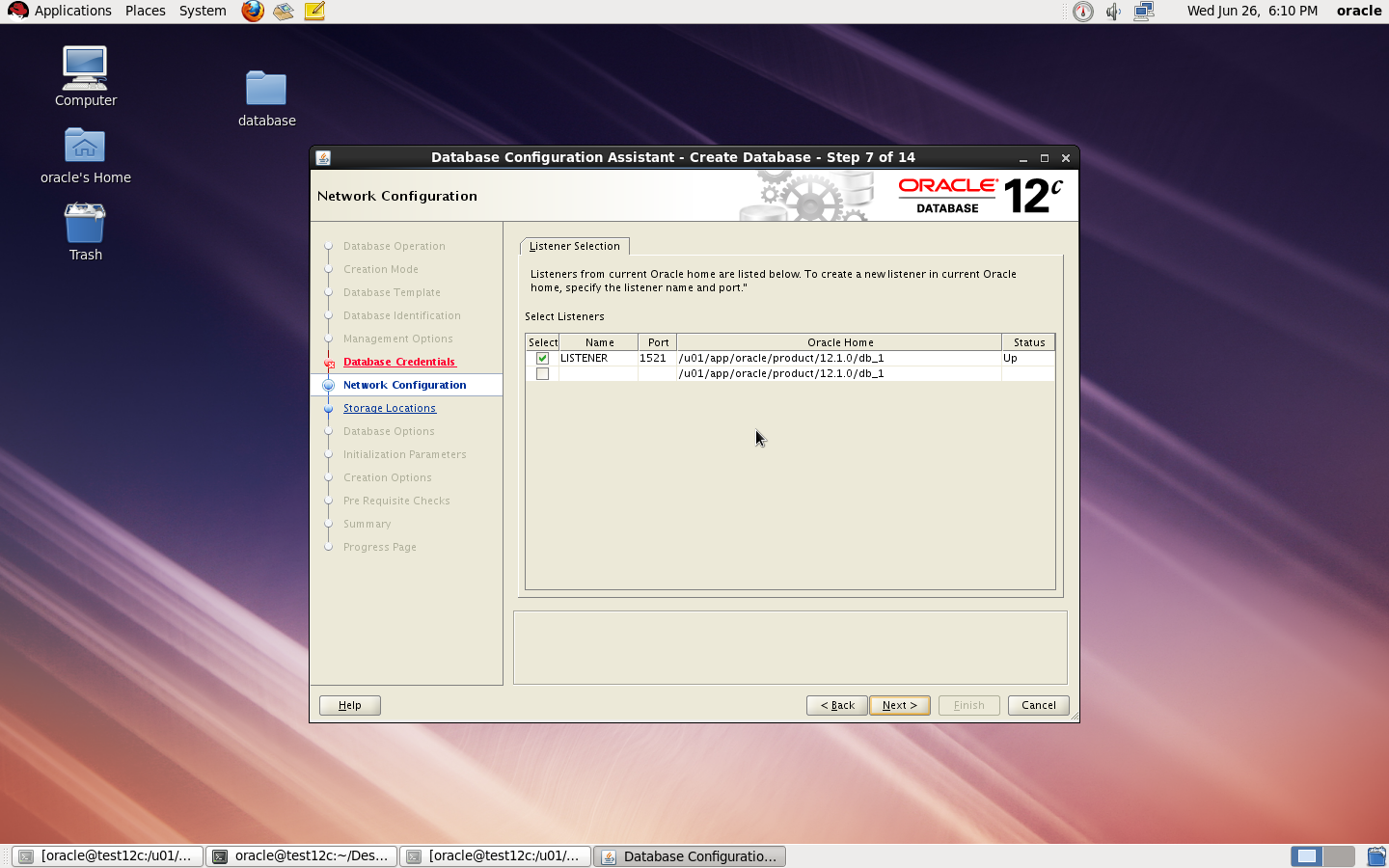
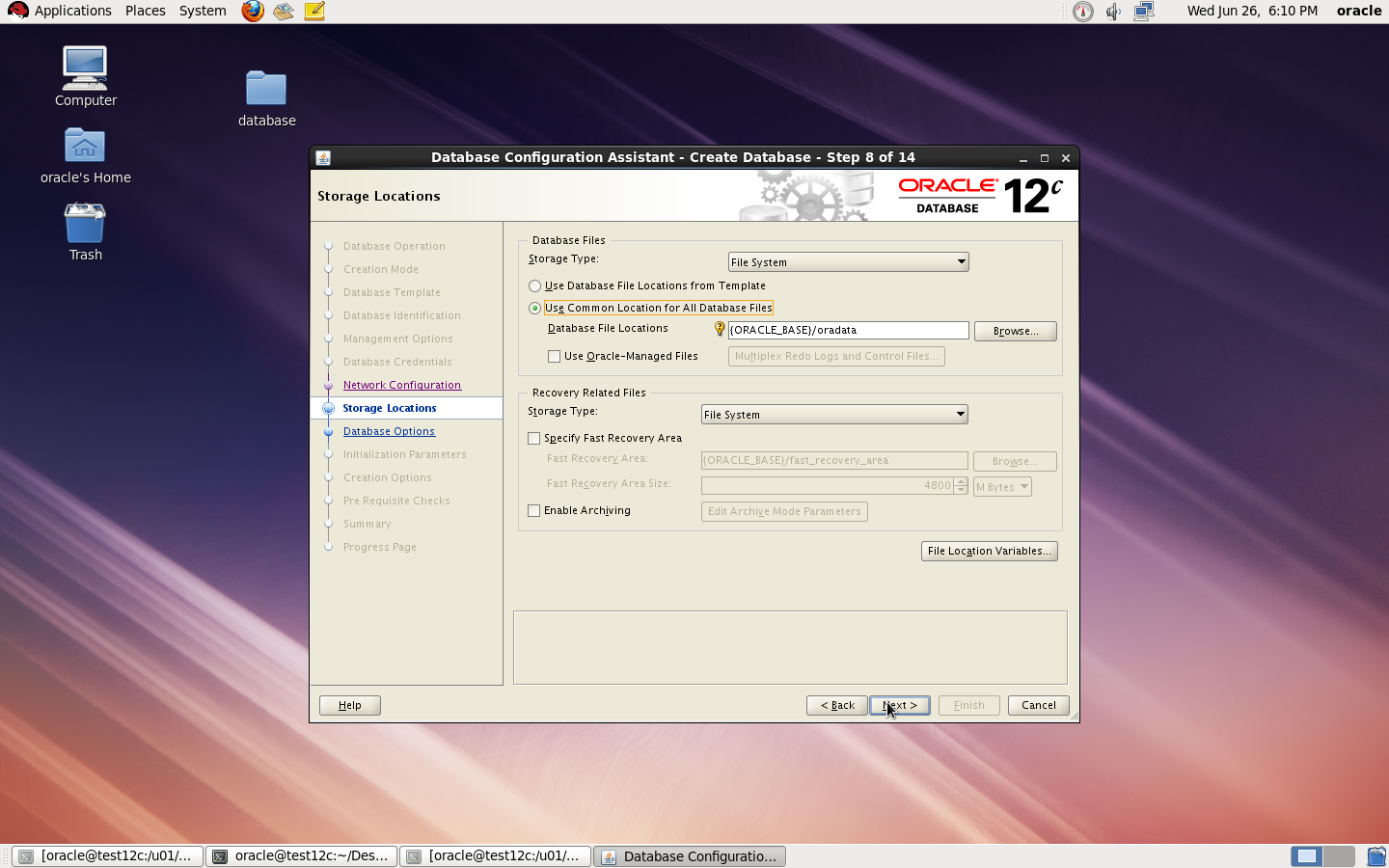
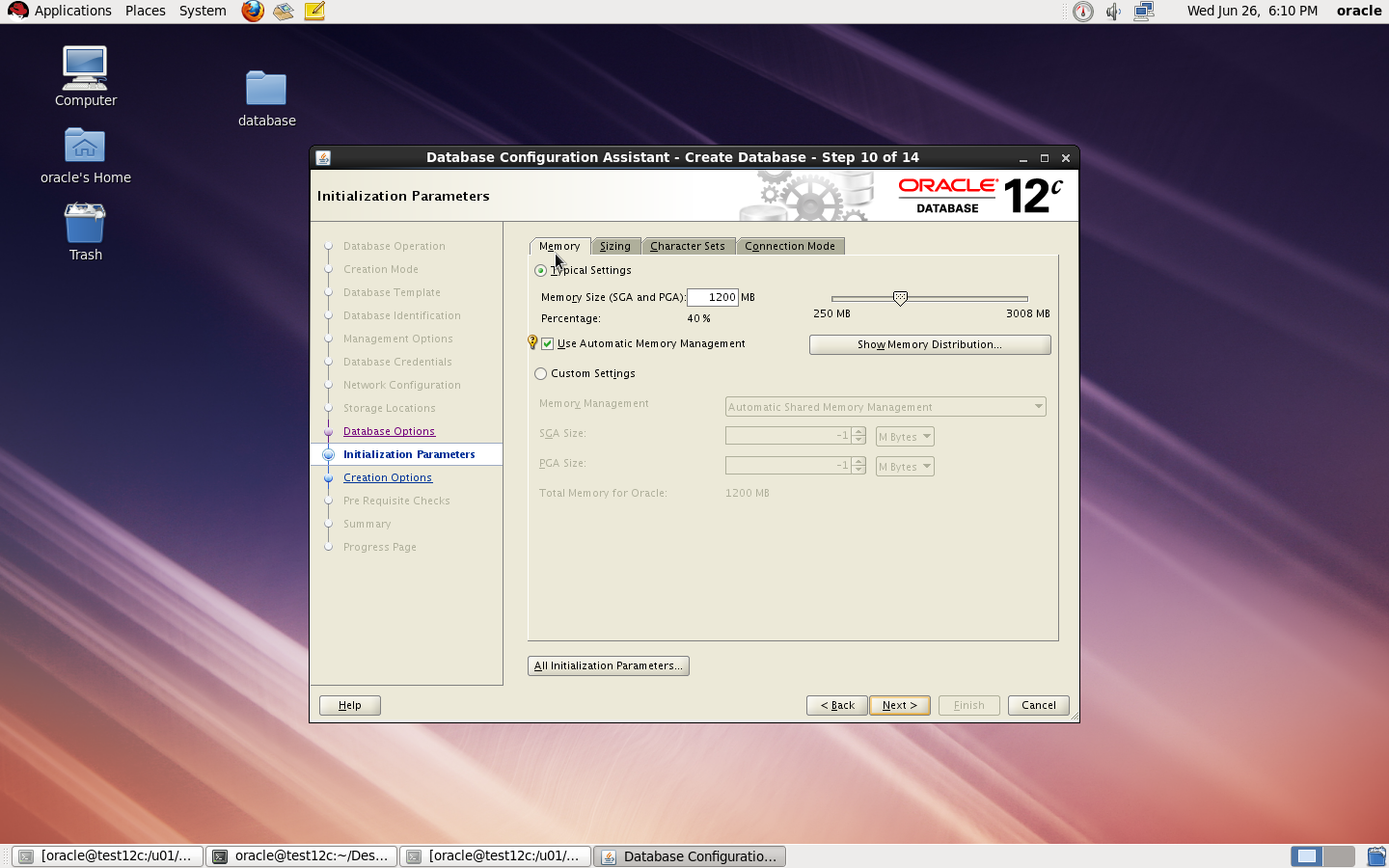
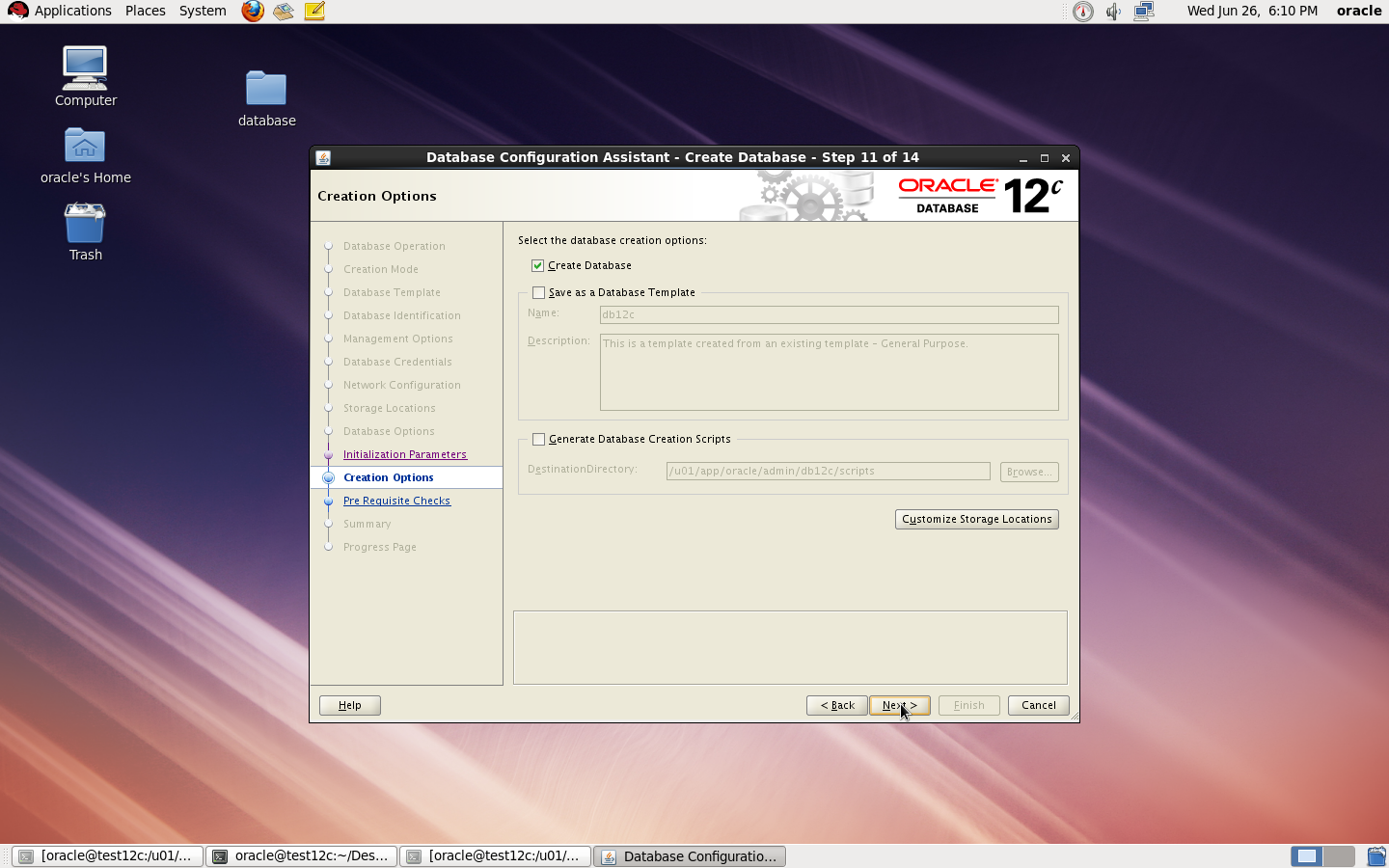
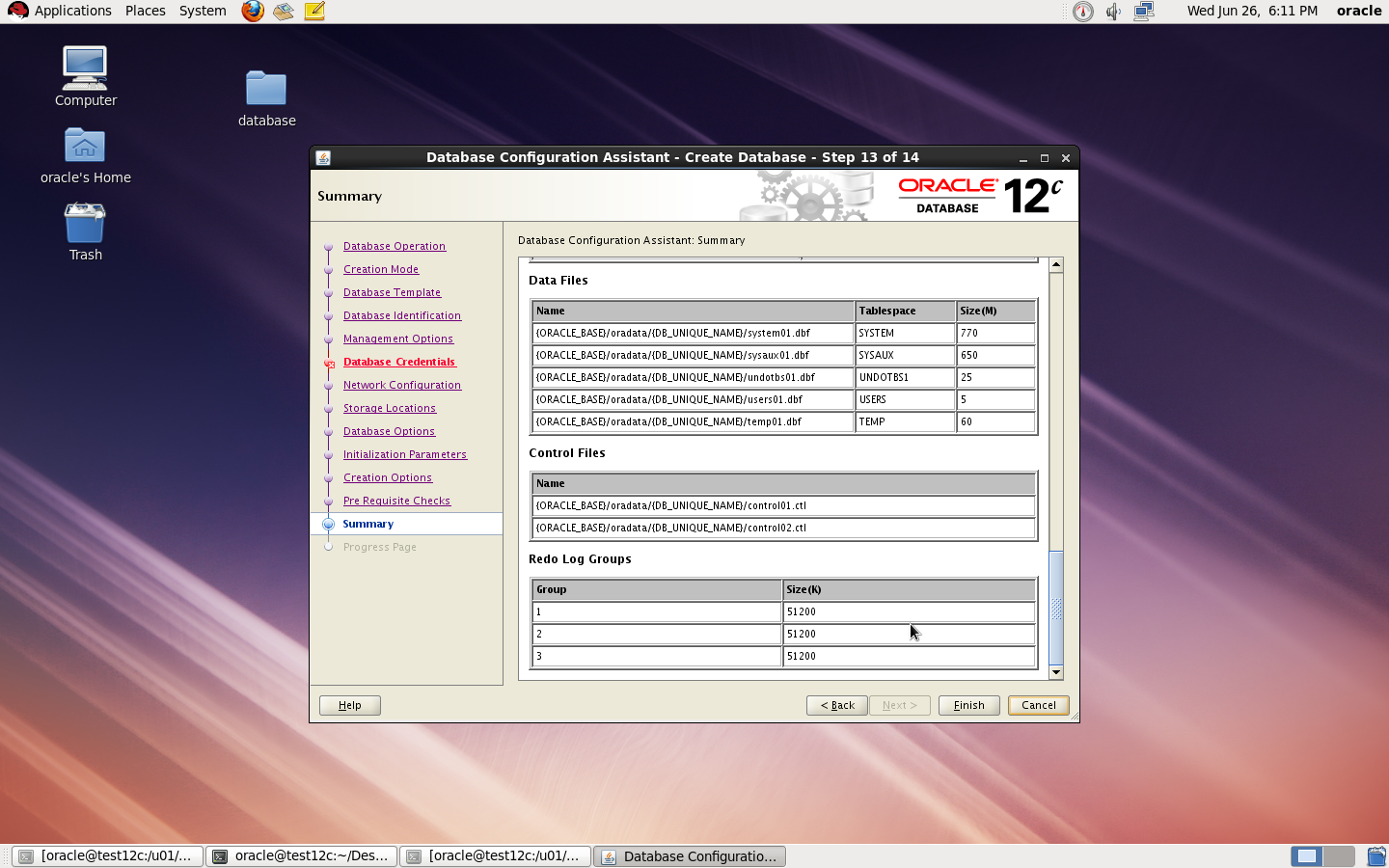
to Create Database you need to configure listener using netca and after finished successfully use dbca like below : 

I Upload the article Here
Thank you
Osama mustafa
  

Oracle Enterprise Manager unable to Start

When I checked the log Located $ORACLE_HOME/SID_HOSTNAME/sysman/log

I found the below errors :

app.ContextInitializer contextInitialized.420 – Integration Class not found

and

ERROR main: nmectla_agentctl: Error connecting to

First you need to make sure that the link in emd.properties and ports and configured right and hostname is correct, restrat dbconsole if this not works then check the below

On Host :

oracle@TEST:/u01/app/$ echo $TZ
localtime

oracle@TEST:/u01/app/$ export TZ=Etc/GMT+2

emctl config agent updateTZ

emctl resetTZ agent 

Restart Dbconsole

Emctl start dbconsole 

 Thank you
Osama mustafa

Enable Debug Mode Oracle Enterprise Manager

you need to change directory to below :

/u01/app/oracle/product/11.2.0/dbhome_1/sysman/config

under this directory you will work on

  • emd.properties
  • emagentlogging.properties
Backup two files. using cp command.
Open 

  • emagentlogging.properties
File :

change 

log4j.rootCategory=WARN, emagentlogAppender, emagenttrcAppender
TO 
log4j.rootCategory=DEBUG, emagentlogAppender, emagenttrcAppender
  • emd.properties
Change 
EMAGENT_PERL_TRACE_LEVEL=WARN
TO 
EMAGENT_PERL_TRACE_LEVEL=DEBUG
Restart dbconsole
Thank you 
Osama mustafa

Share Folder On Solaris For Window Purpose

In this article i will show how to share folder in Solaris and use this folder for Copy/Paste in windows , I will use NFS so you need to make sure it’s already enable in Windows

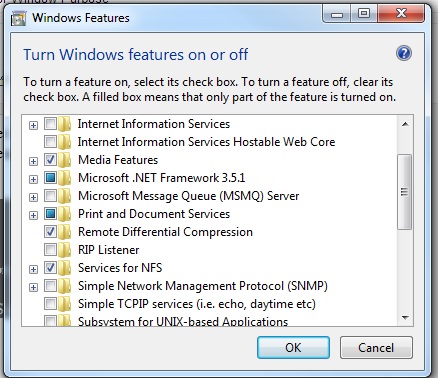
  • Select Control Panel.
  • Select Programs.
  • Select Programs and Features.
  • Select Turn Windows Features on or off.
  • Select Services for NFS.
  • Select the check box Client for NFS and click OK.
Now On Solaris Side , Using Share command 

share [-F fstype] [ -o options] [-d “”] [resource]

Create Folder and use the below command to share 

share -F nfs -o rw -d “codereview dirs” /u01/Shared –> my Shared Folder


root@Host:/u01# cat /etc/dfs/sharetab 

/u01/hmmdb u01_hmmdb nfs sec=sys,rw codereview
/u01/Shared u01_Shared nfs sec=sys,rw

Now back to windows open Command Prompt “cmd”
and run the below command :
showmount -e Server-IP 

Exports list on :
/u01/Shared                        All Machines
/u01/hmmdb                         All Machines

Command to share on windows :
mount -o mtype=hard Server-IP:Path_for_share_folder name drive letter or *
mount -o mtype=hard server-ip:/u01/Shared Z:
Done
Thank you 
Osama mustafa

Oracle Java SE Critical Patch Released

“The June 2013 Oracle Java SE Critical Patch Update was released on June 18, 2013. Oracle strongly recommends applying the patches as soon as possible.

The Critical Patch Update Advisory is the starting point for relevant information. It includes the list of products affected, a summary of the security vulnerabilities, and a pointer to obtain the latest releases and patches.”

June 2013 Oracle Java SE Critical Patch Update: Here

The next four scheduled dates for Oracle Java SE Critical Patch Updates are:
16 April 2013
18 June 2013
15 October 2013
14 January 2014

Thank you
Osama mustafa