Hack Root Password With Protected Grub

I post before Article talking about “Hack Root Password With Protected Grub” Here .

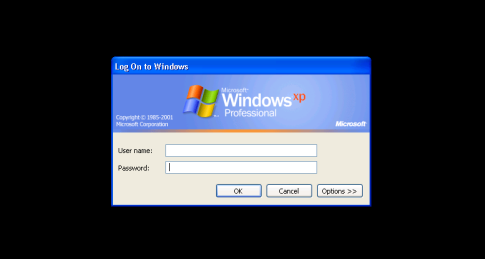
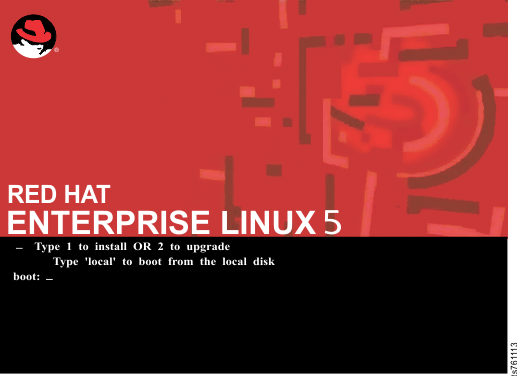
But what if GRUB was Locked By password and you forget Root Password, There’s always away to do it but you need the same media for Operating system ( Never tried to use different distribution ) after boot :

In the above screen Type ” linux rescue ” and then Press enter

After follow the instruction and Enter Bash

chroot /mnt/sysimage [Enter]
cd /boot/grub [Enter]
vi menu.lst

Now In that file you see word “Password”  Remove Line, This will remove Grub password after save it the OS will Reboot but this time Grub will be UN-Protected , Remove CD and follow the normal instruction in Article Number one Here.

Thank you
Osama Mustafa

rdesktop: A Remote Desktop Protocol Client

rdesktop is an open source client for Windows Remote Desktop Services, capable of natively speaking Remote Desktop Protocol (RDP) in order to present the user’s Windows desktop. rdesktop is known to work with Windows versions such as NT 4 Terminal Server, 2000, XP, 2003, 2003 R2, Vista, 2008, 7, and 2008 R2. Click Here.

You can install the package using yum like the below :

# rpm -qa rdesktop

Regarding to website to connect Windows from linux you need to use -u which indicate for username follows with hostname to be like this

# rdesktop -u Administrator osama

Osama : hostname
Administrator : Username

Useful !!!

Thank you
Osama mustafa

Reset/Hack Linux Root Password ( Unprocted GRUB )

Do you want to learn something New ? Hack/Reset Root Linux Password Then Continue Reading.

Root is the user name or account that by default has access to all commands and files on a Linux or other Unix-like operating system. It is also referred to as the root account, root user and the superuser.

What If I Forget Root Password? Check The below

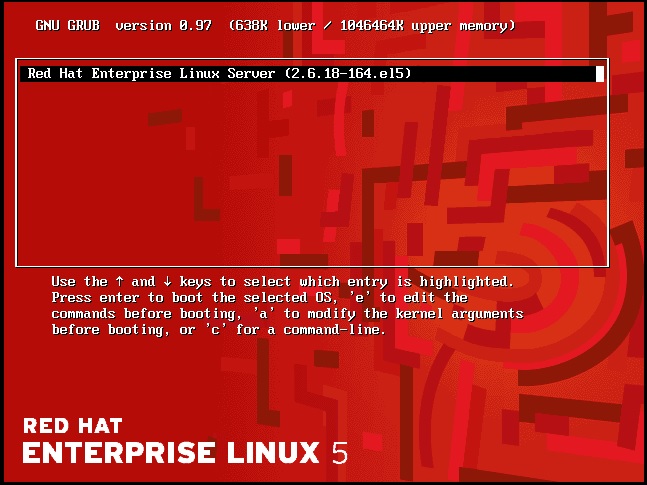
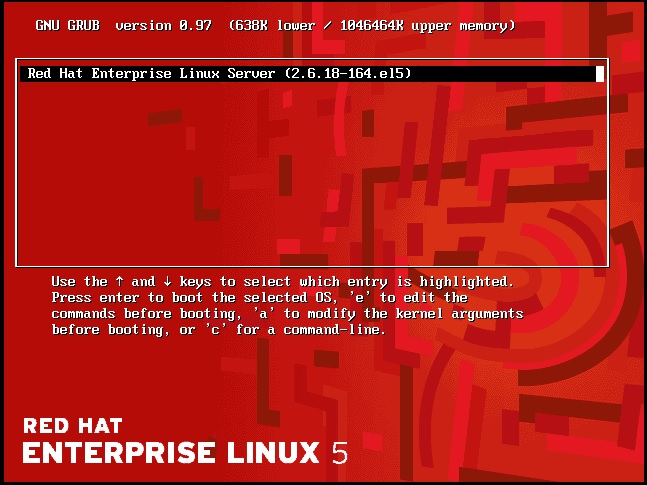
Restart The Server and you must see this screen Pause it click arrow :

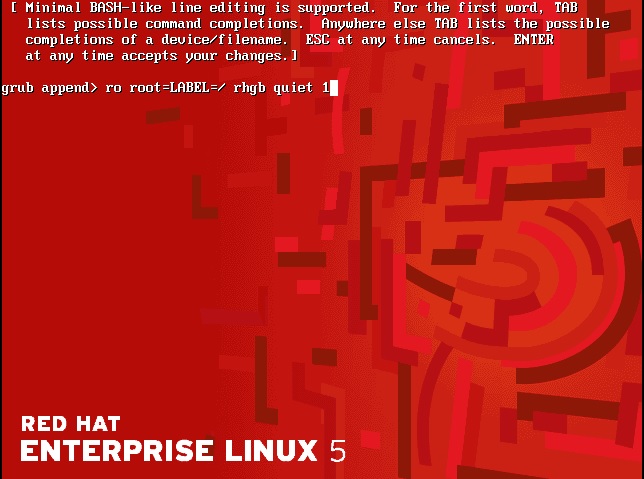
Second Press “a” then add “1” like the below screen after finish Press enter :

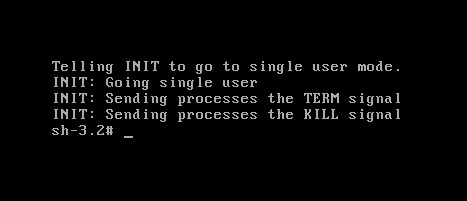
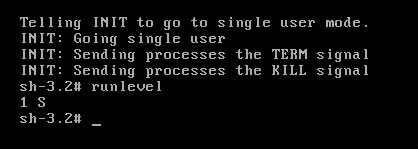
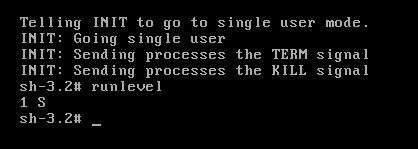
Now Black Screen :

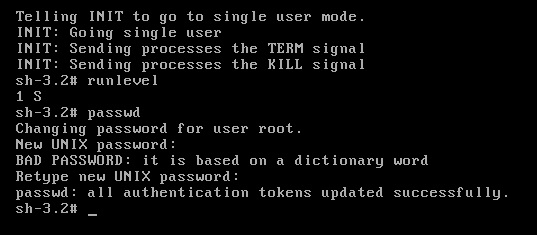
Print “Runlevel”

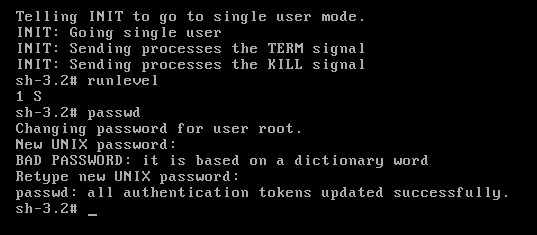
and Reset Root Password like the below by type “passwd” command :

Note : This Way works with Redhat , Fedora and CentOs i didn’t try it on Ubuntu

Thank you
Osama mustafa


Oracle Database vs Sql Server Security

Which one is the more secure ?

the above question asked before and will be asked today and in the future but what is the answer !! Before start asnwering this question you need to discuss somepoints.

as introduction Sql server is database solution product from Microsoft corporation with the following Version list :

  • SQL Server 2012
  • SQL Server 2008 R2
  • SQL Server 2008
  • SQL Server 2005
  • SQL Server 2000
  • SQL Server 7.0
 On the other hand we have oracle Database which RDMS ( Relation Database Managment System ) with the following version list :
 
  • Oracle7
  • Oracle8 Database
  • Oracle8i Database
  • Oracle9i Database
  • Oracle Database 10g
  • Oracle Database 11g
each of database include new features, this features could be related to high availability, database features and secuirty features, I try to be fair in my judgment, Let’s Back to Question Which is More Secure Oracle Database vs Microsoft Sql Server ? and why ?
I read lot of research regarding to this question and most of them caliming that sql server is more secure than Oracle database but why ?  oracle is the best database for large organization and can store more date with a great security when i mean great Security  there’s lot of solution products from Oracle such as Database vault , Audit Vault , and Data masking. But for small solutions and Orginization most of them use Sql server .
I red this Reports for David Litchfield here. and published in November 2006 and calims hat sql server is more secure than oracle database. also you need to know while you are compare this two database the main difference between them :
Microsoft Sql server is only working on One Platform ( Windows ), easy to manage, Most of the administration thru GUI (very friendly ) ,  simple to install  , Sql server is cost less than oracle ( Cost much more than less )  Licensing fees. all this indicate me to the following :
  • since sql server is easy to install and administration then the performance is usually fine.
  •  The only way to scale a system built on sql server technology is to add more memory and CPU to the single server hosting the database.
  • as mention before Sql server Suport Only One Platform.
On the other hand Oracle is Support all plaforms ( Linux , Unix , Windows , HP , AIX and Sun .. and sorry i forgot to mention others ), i will not say it’s easy to install but document are available for free if you follow them you will not be lost, Oracle database is enterprise solutions which mean if you need database that store huge data and support high availability cluster ( sql server dose not support it ) and introduce lot of backup recovery solution, data guard on of them becuase of this it’s expensive and costing the company don’t forget the main reason Oracle DBA salary is more than Sql server which mean the compaines will study this case before looking for solutions.
also to be fair Oracle support talking some time to answering you and solve the issue or database vulnerability , however in sql server support it’s amazing and solve the issue or vulnerability database in 24 hours or less.
since oracle database working for large organization business such as finical and insurance company the aim for any hackers ( i would like to mention here hacker not looking for small company to hack it’s need something will be worth if he getting caught ) it will make it under attack for any hacker in my articles i mentioned there’s no secure system 100% but you can make it harder for any hacker to access to your data and oracle provide with products to do that : Data Valut , Audit Vault , Database firewall and encryption.
Another point i would like to mention here ( take it also as point when you compare ) oracle working on more than platforms.so Focusing on one  platform Security  will be the same as five/six/… platforms Security ? you should answer on this question not me !!!
 Oracle’s capacity to run on large databases, its have many performance improvement features,the performance can include Hardware or database ( sql server only hardware ) which is more secure ?
it’s completely up to you but don’t miss or ignore the point i mentioned before in this article
Thank you
Osama Mustafa
Sys Password and Alter User Privileges

While I am browsing i found this topic which is really amazing and Useful if you are interested securing your database, I mentioned before in my topics to secure database you need to start with simple steps first the below is one of them :

SQL> CREATE or REPLACE TRIGGER prohibit_alter_SYSTEM_SYS_pass
AFTER ALTER on SCOTT.schema
BEGIN
IF ora_sysevent=’ALTER’ and ora_dict_obj_type = ‘USER’ and
(ora_dict_obj_name = ‘SYSTEM’ or ora_dict_obj_name = ‘SYS’)
THEN
RAISE_APPLICATION_ERROR(-20003,
‘You are not allowed to alter SYSTEM/SYS user.’);
END IF;
END;
/

Trigger created.

SQL> conn scott/tiger
Connected.

SQL>alter user system identified by new_password;
alter user system identified by new_password
*
ERROR at line 1:
ORA-00604: error occurred at recursive SQL level 1
ORA-20003: You are not allowed to alter SYSTEM/SYS user.
ORA-06512: at line 5

SQL> alter user sys identified by new_password;
alter user sys identified by new_password
*
ERROR at line 1:
ORA-00604: error occurred at recursive SQL level 1
ORA-20003: You are not allowed to alter SYSTEM/SYS user.
ORA-06512: at line 5

Future Of Oracle DBA

What is the Future of DBA ? One Question but it’s been asked lot , and no one knows what is this future could be !! The technology going fast and everything become easy to use, well is this mean all DBA will sit in the future without any work ? the traditional task role of the DBA is dead which mean  Most tasks assigned to the DBA staff can either be automated or eliminated with new features of the software.

Let’s Start with CNN Article that mention DBA as one of the Top Ten Promising jobs with solid job growth outlook over the next several years.The DBA will need to understand the business and craft solutions with off the shelf components to satisfy the needs of the business.which mean it will be different depending on the company for example companies will hire DBA to work with development, Other companies will hire DBA to monitor databases and enure high availability.

You can’t ensure that your systems and Application working fine without experts and you can’t hire someone to do all the tasks, Which mean DBA will be exists in the future but for concern will be on other products such Cloud, Big data, Exadata, oracle appliance.So DBA OF all Sort that needed now will be needed in the future but the main change as i see is the career path and daily task for DBA.

if you want more accurate answer check the Database version 9i,10g and 11g and now we are waiting for 12c, with every version  it’s automated new more mundane tasks, But with simple way for example enterprise manager is controlling all database backup, Monitor and recovery so this indicate the DBA will have much time to architect database systems, monitor security, and many other things.

DBA is very important Job and will be found now or later check the discussion for tom Kyte about that Click here

Thank you
Osama mustafa

First Look : Dbvisit Standby

Dbvisit Standby it’s tool for creating standby database to ensure high availability for Oracle Database, It’s similar for Data Guard but The main differnce i notice in Data Guard you need to have EE ( Oracle Database Enterprise Editions ) But not any more with DbVisit You can Create your Standby Even With SE ( Oracle Database Standard Editions ).

In Last Three days i was testing this Product , and all i can say it’s amazing and easy to use , steps are clear and even when code/Error return the description is so clear, also with Dbvisit You can Have Two way to create Standby : Command line and GUI both are easy and all you have to do is following the steps in the document.

what i notice too support for this product is amazing, Sine i download trail version i revived an email telling me if i need anything all i have to do is sent an email with error code and dbVisit Support team will answering me, Couple of days later they send me another email asking me for my feedback and I am writing this article to ensure my view point is clear, I checked DbVisit Forum and  answers was within 1-3 Working days which indicate they have very active supporting team to improve this product.

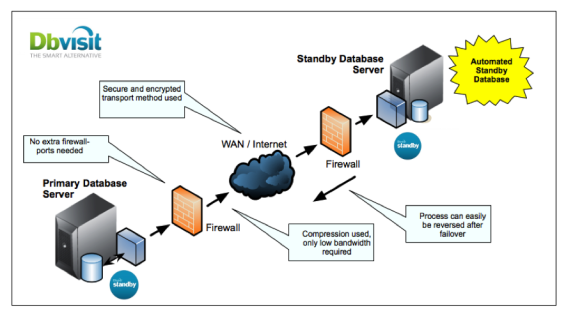
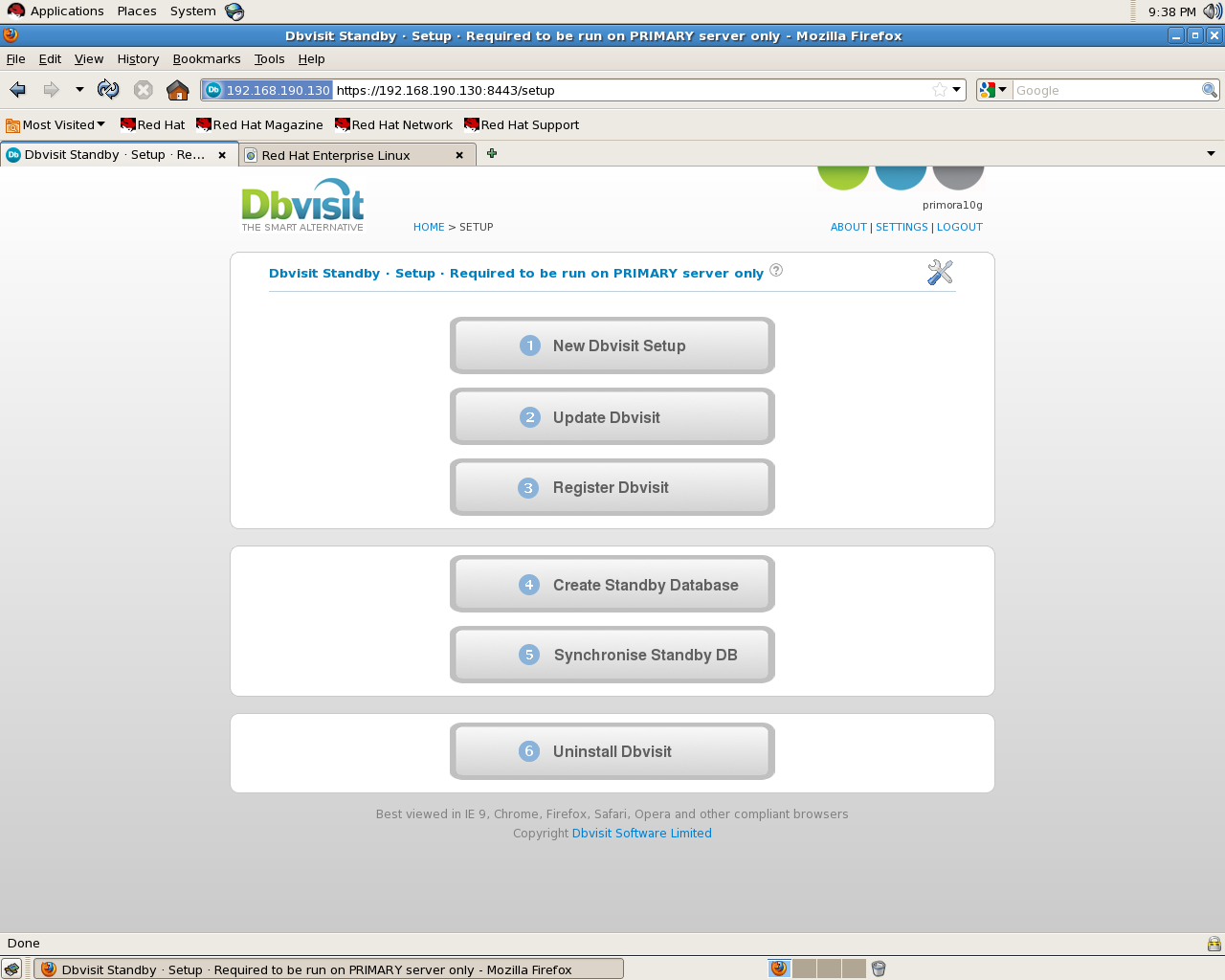
The Below Figure describe Dbvisit Standby architecture :

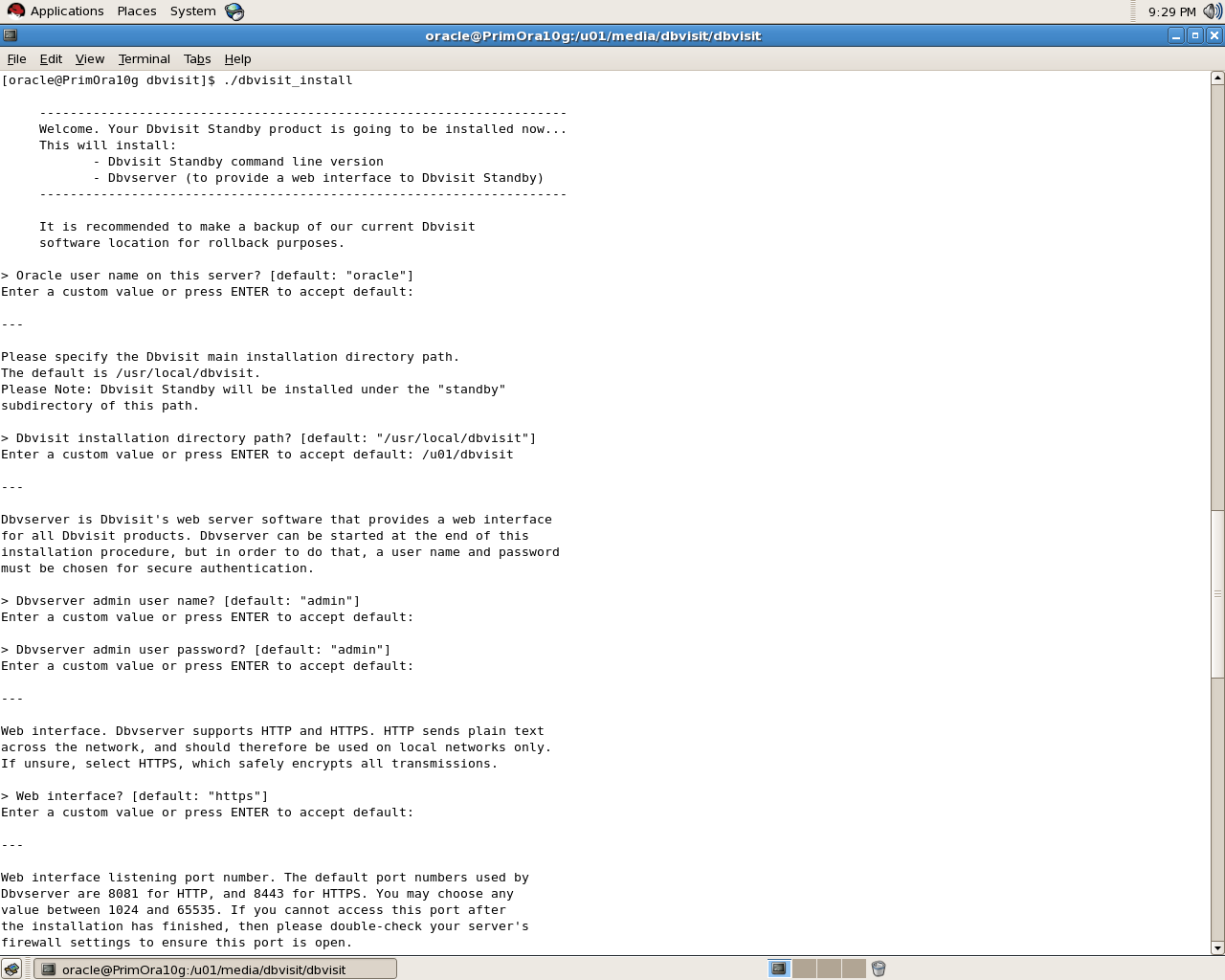
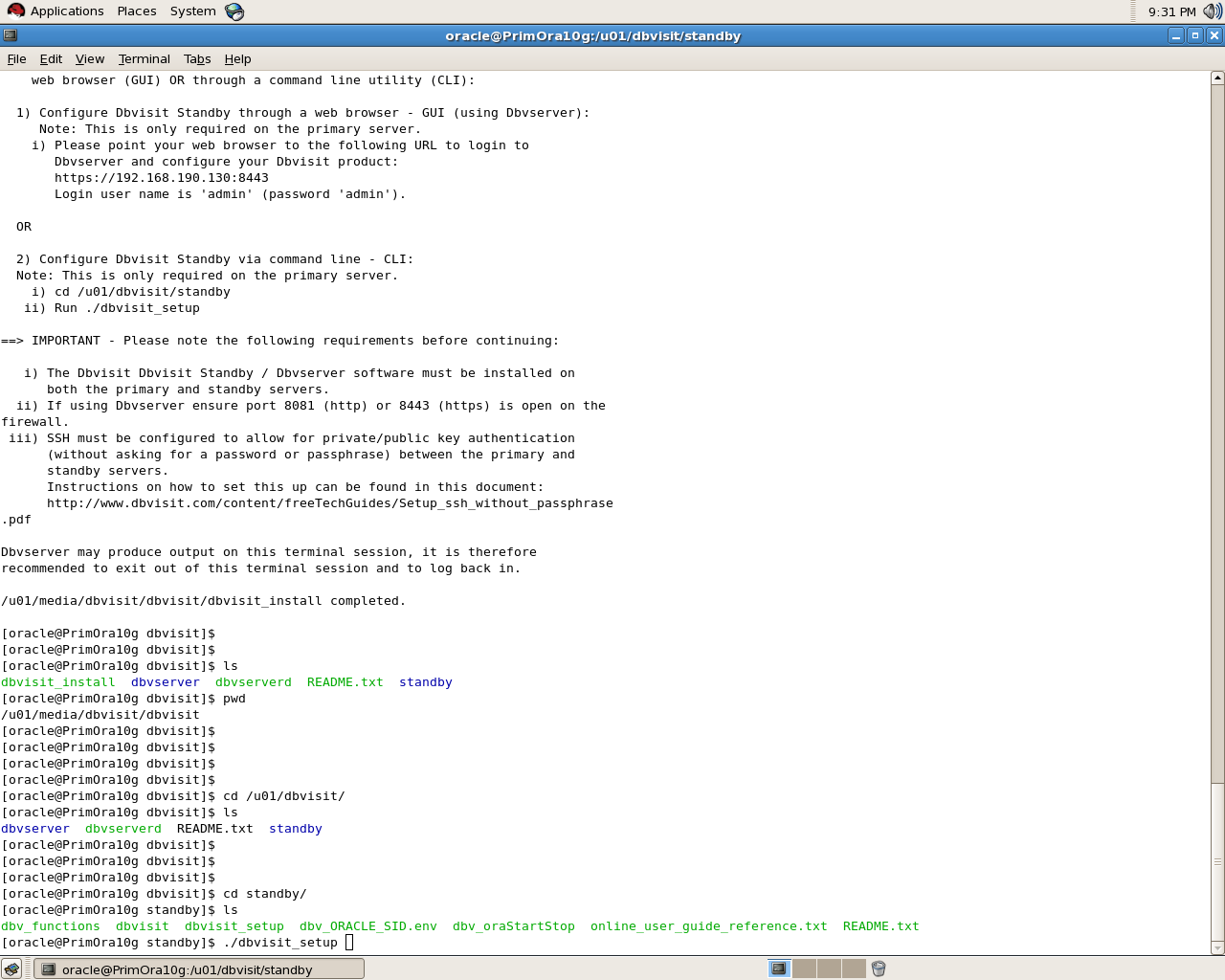
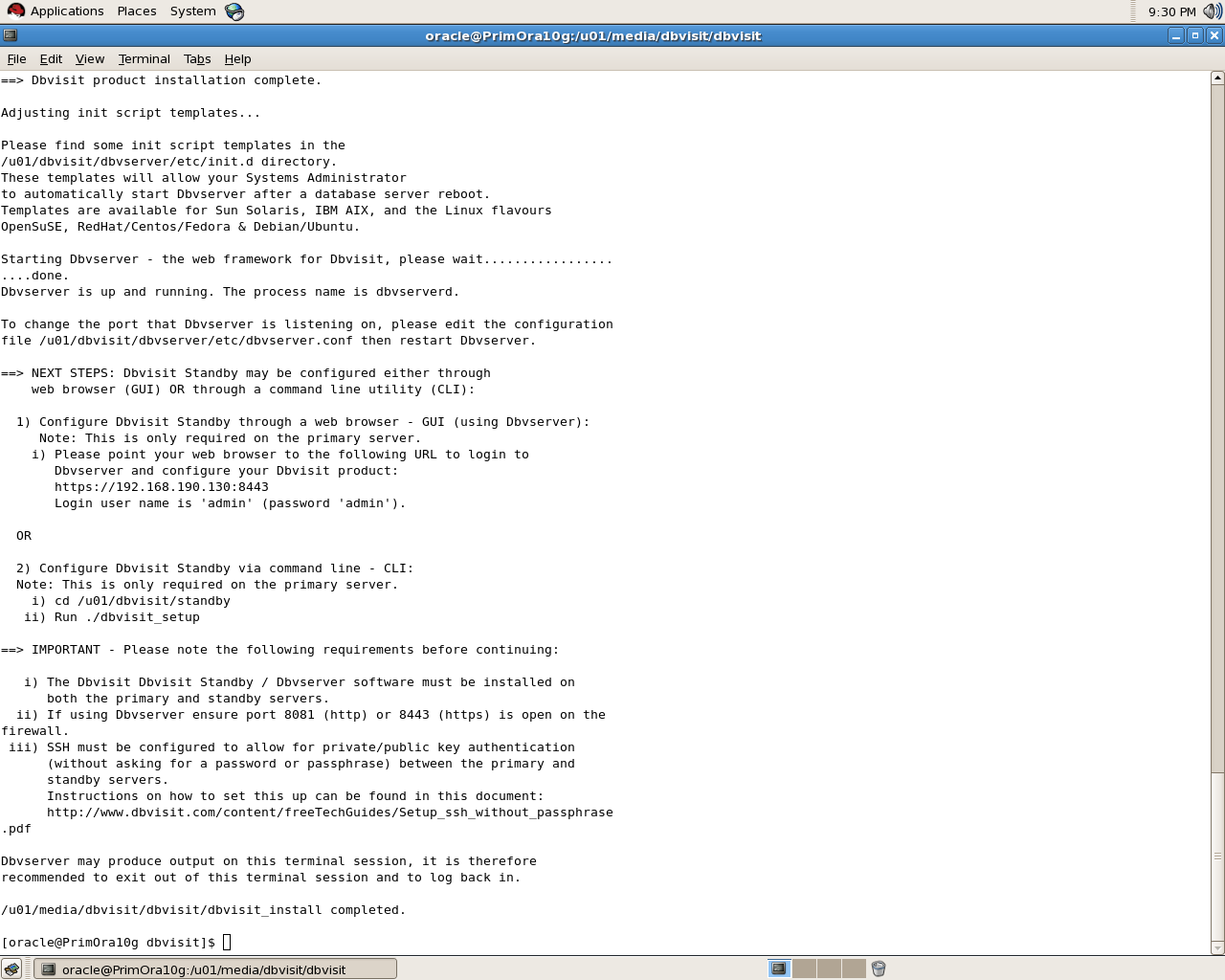
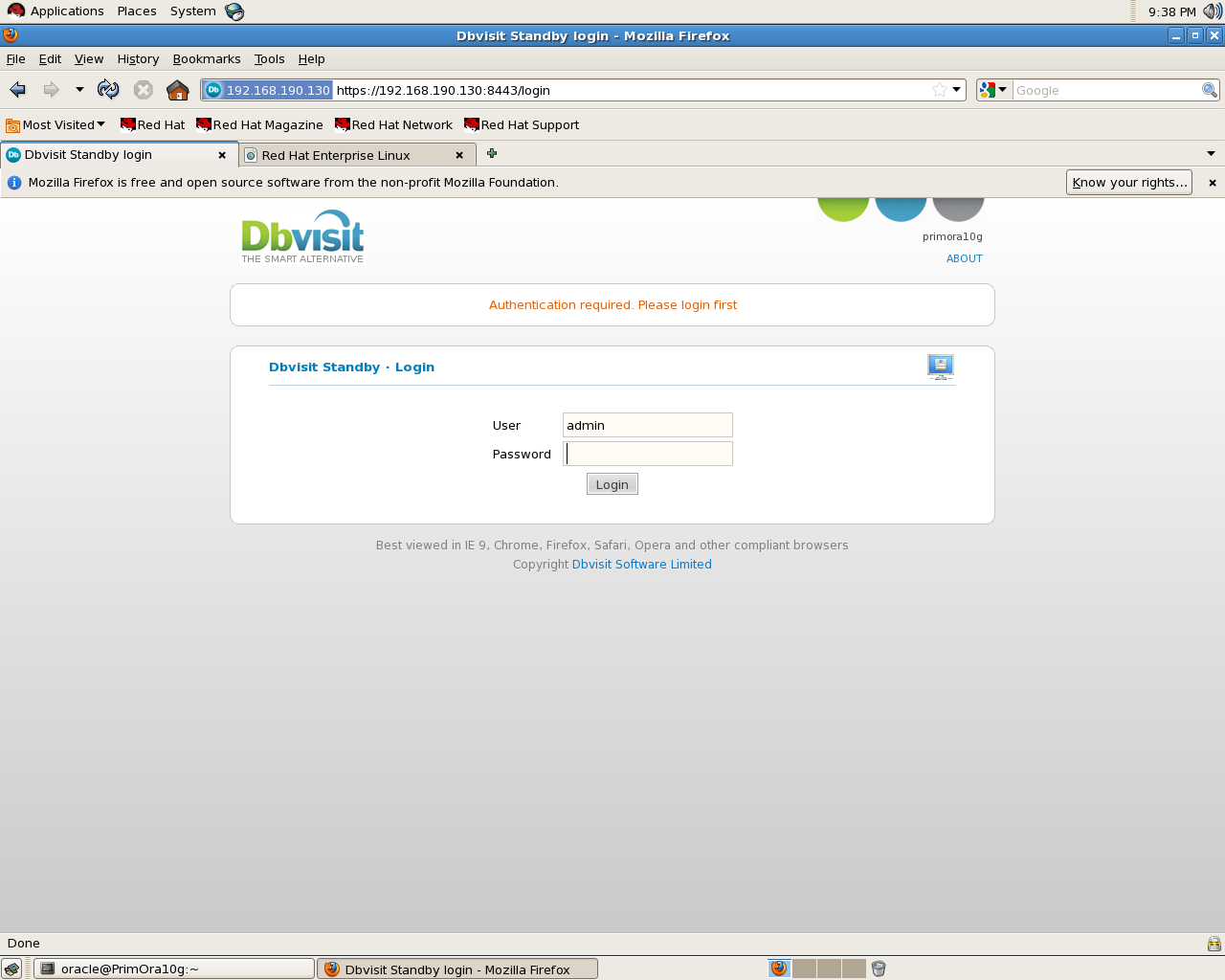
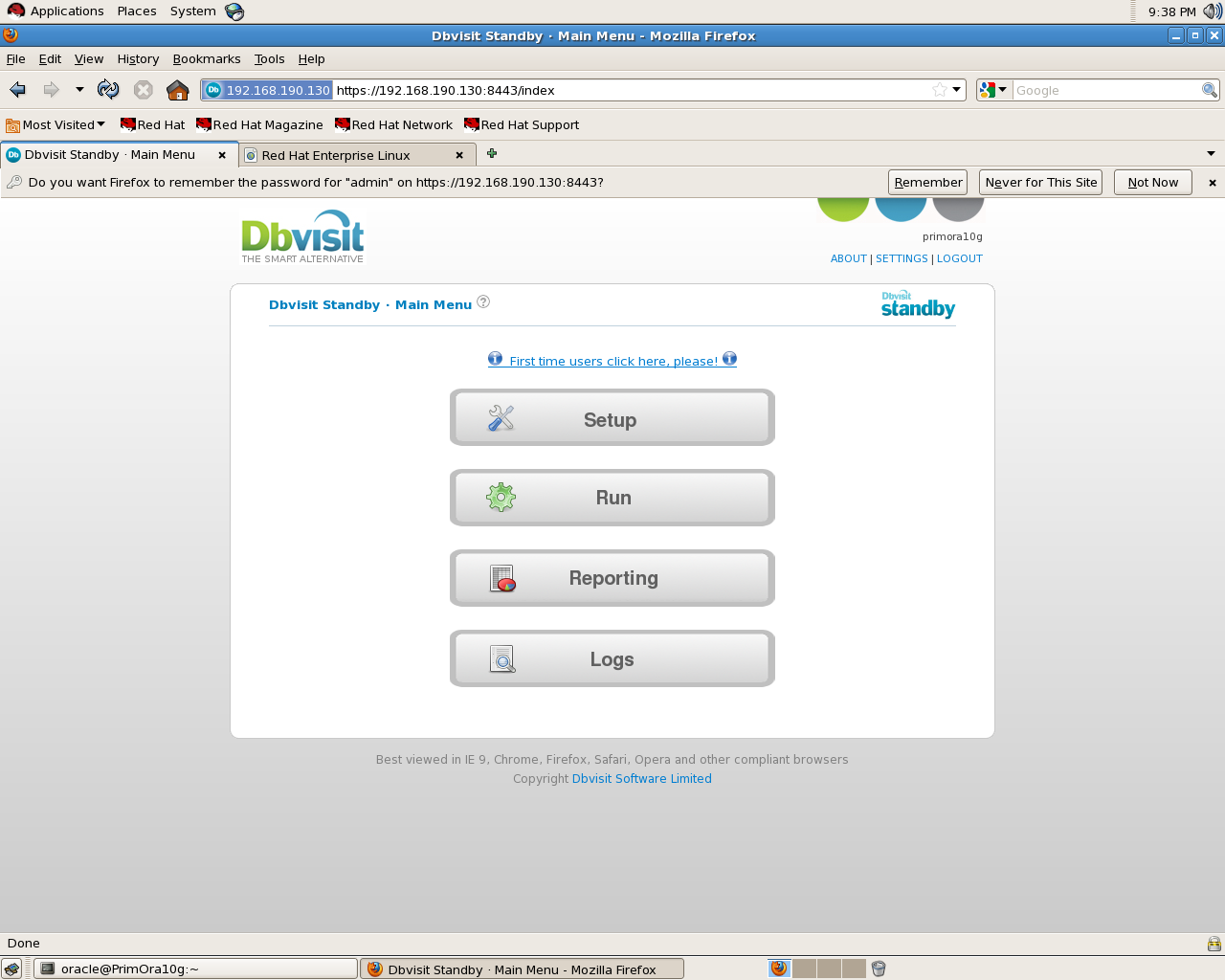
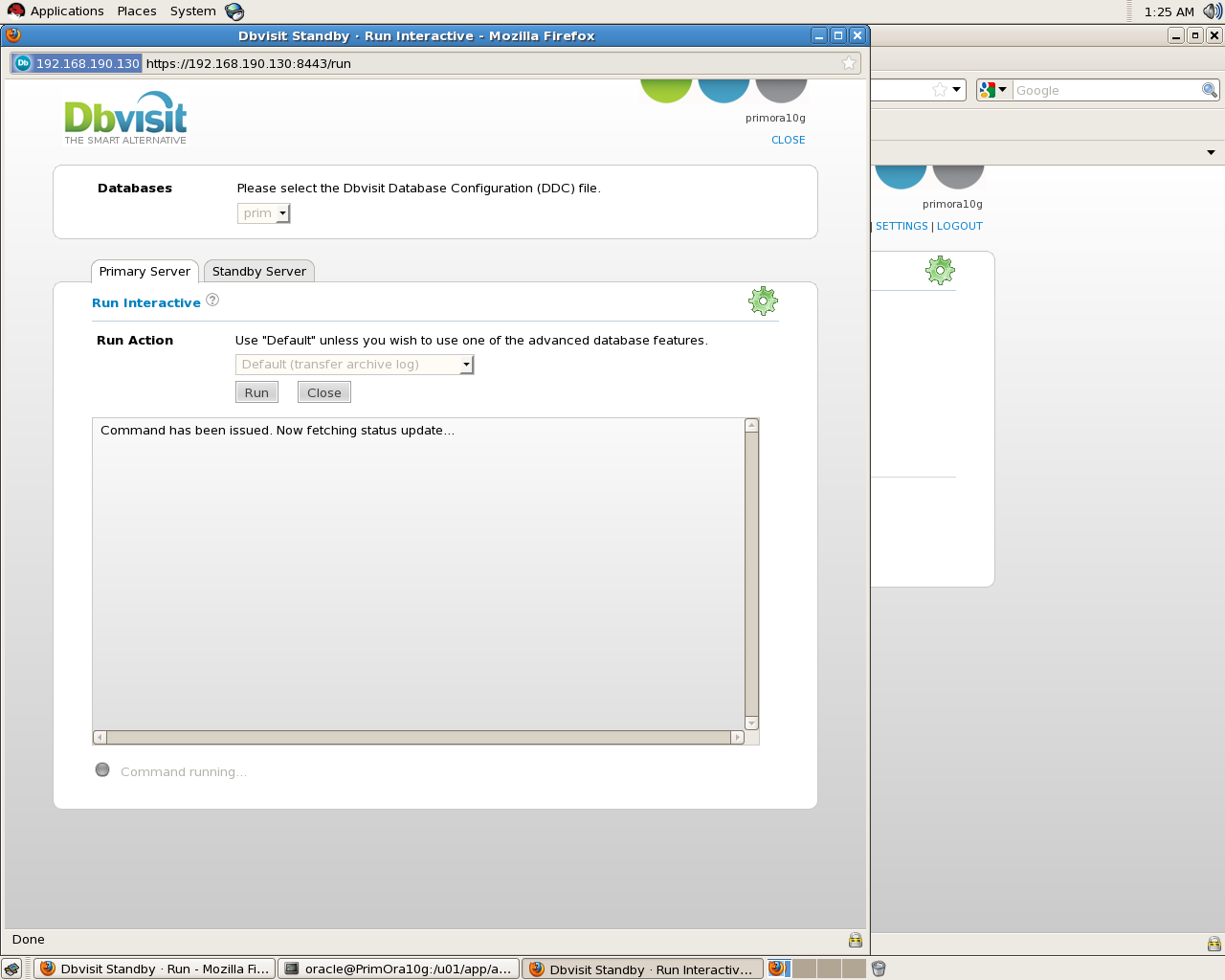
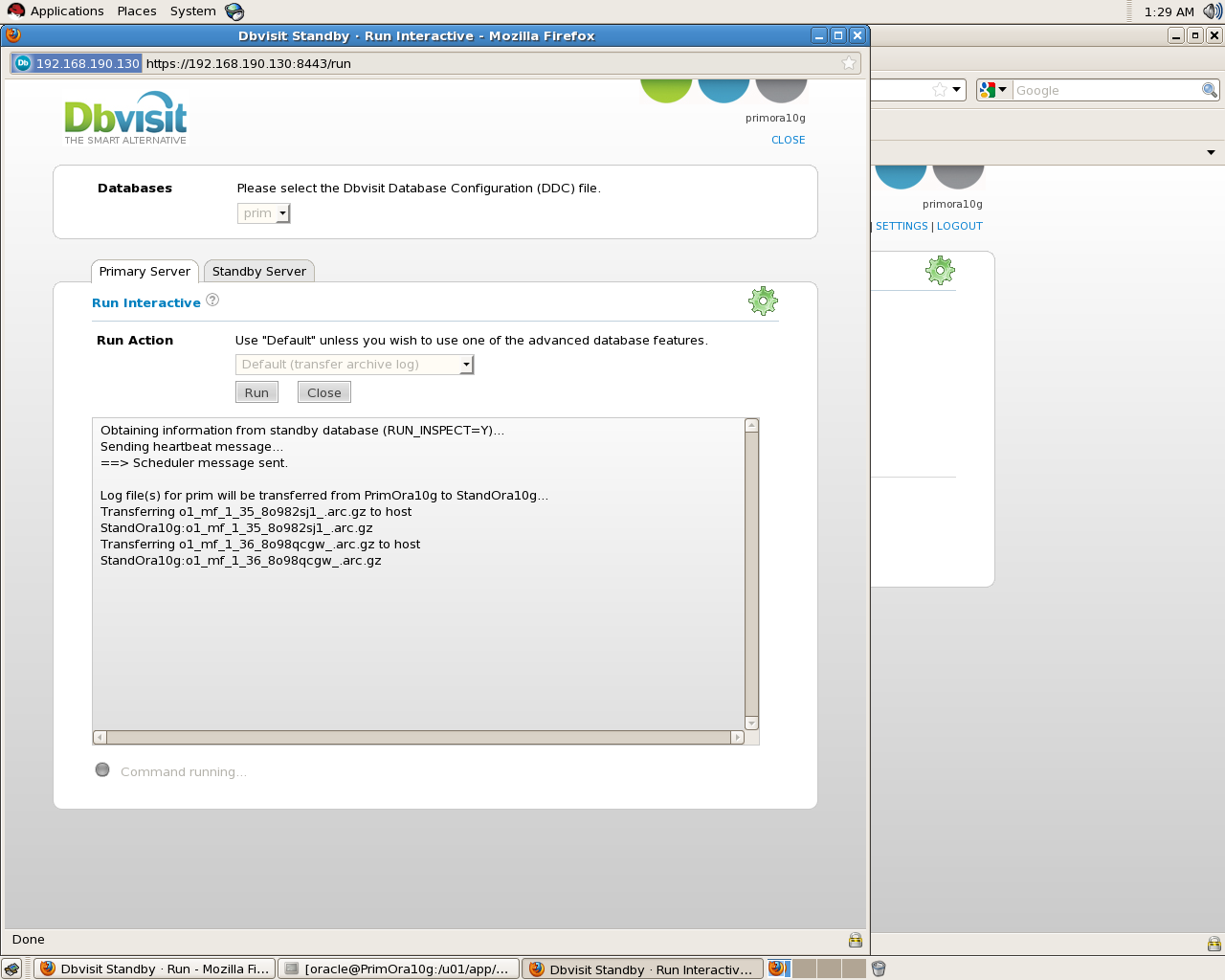
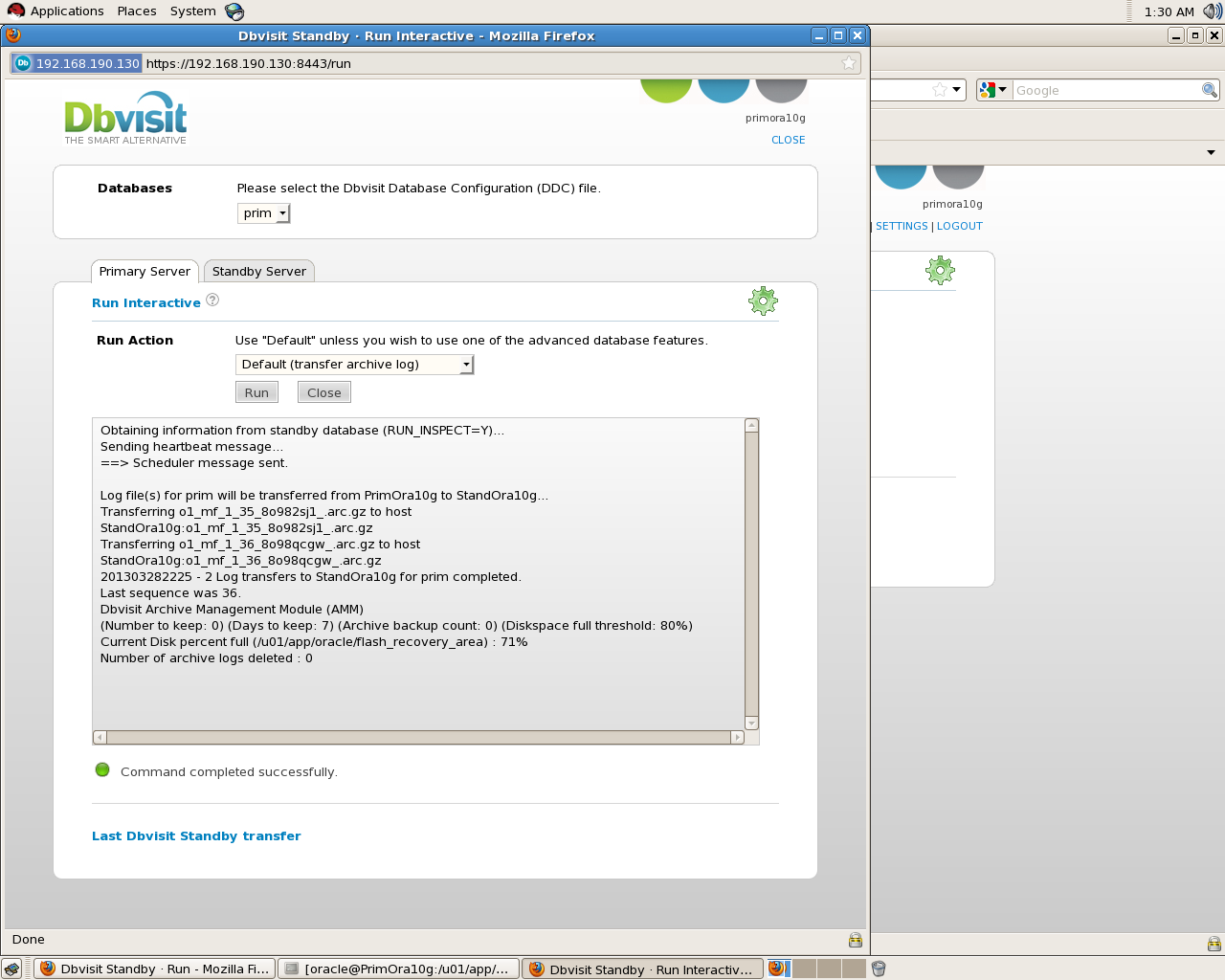
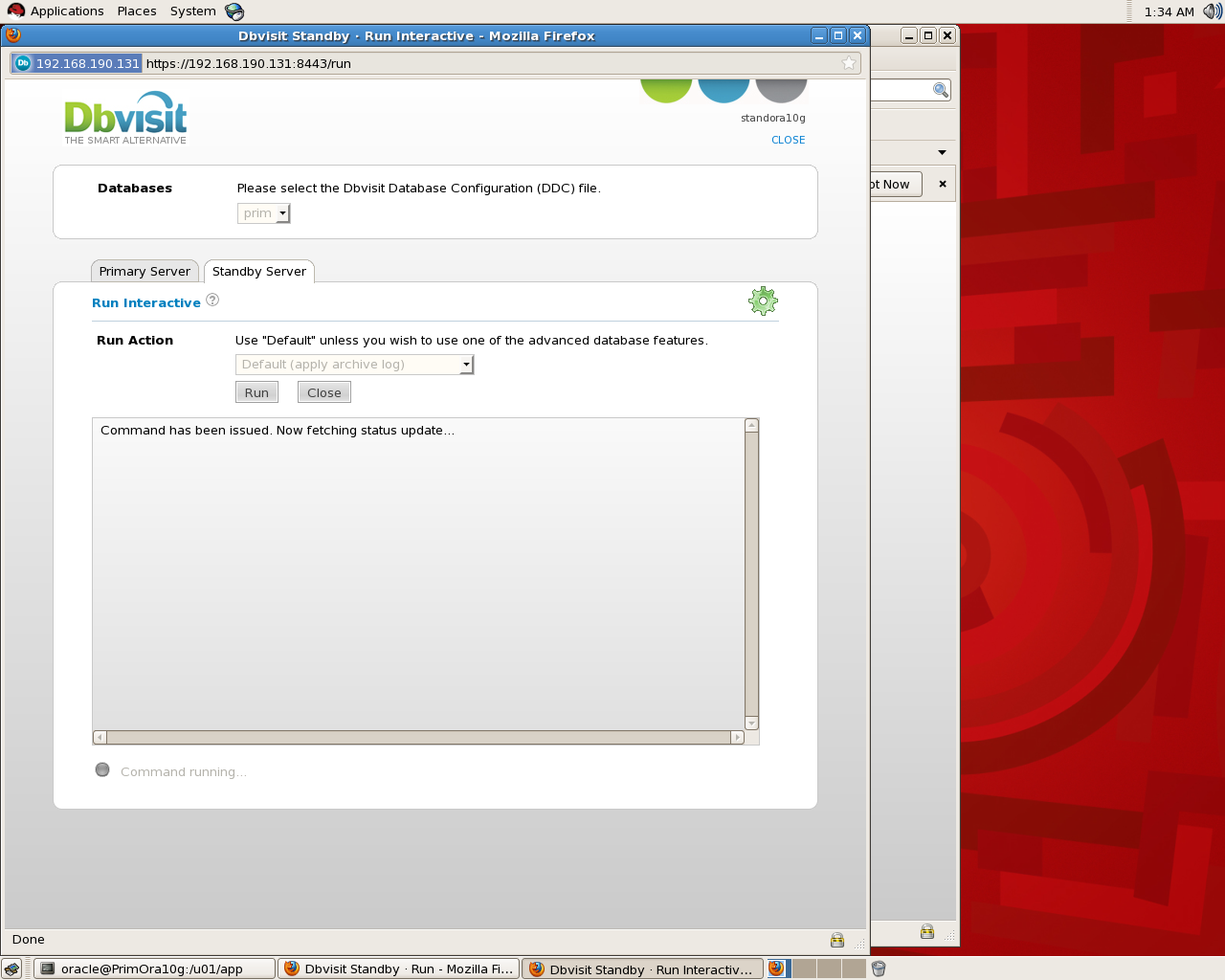
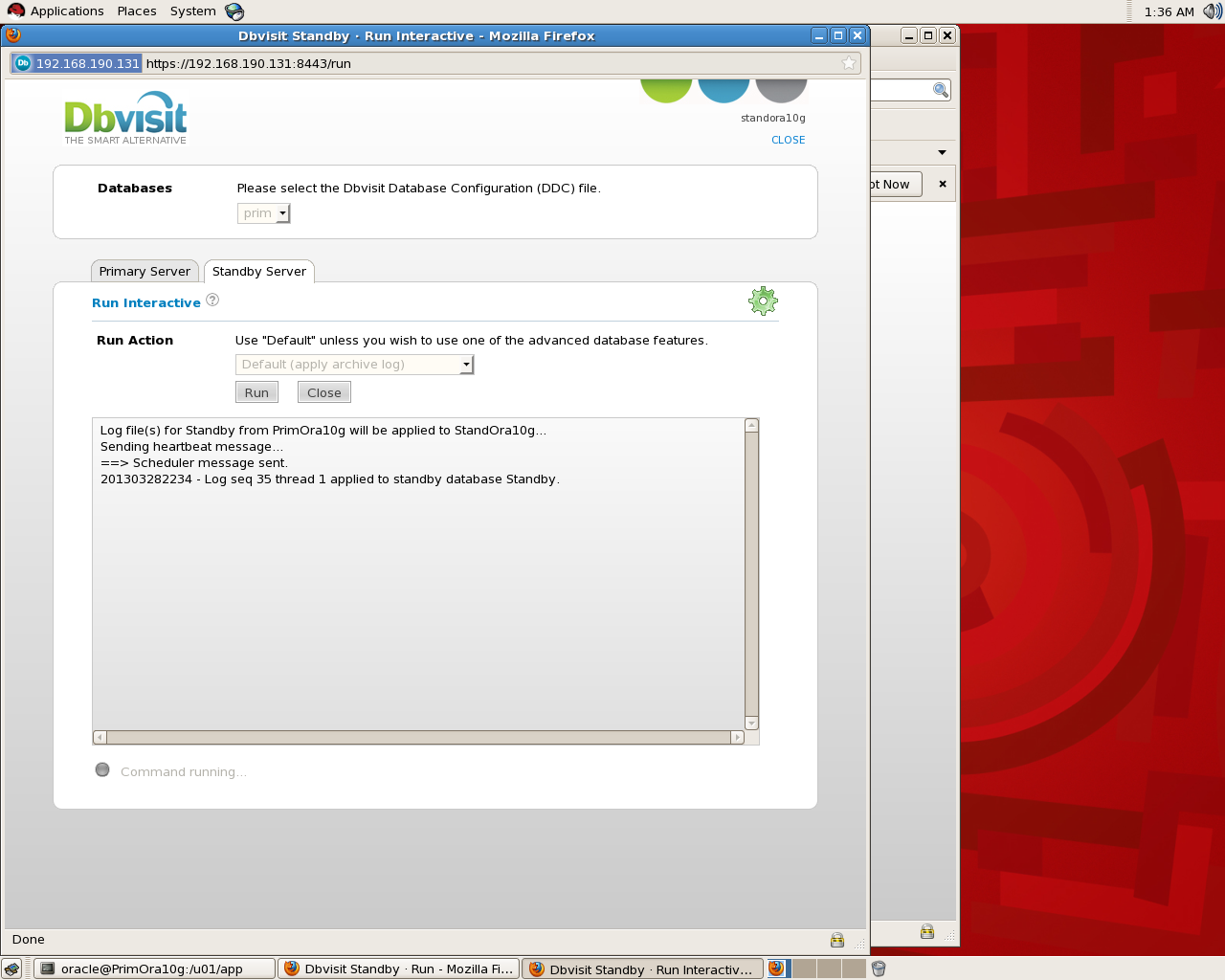
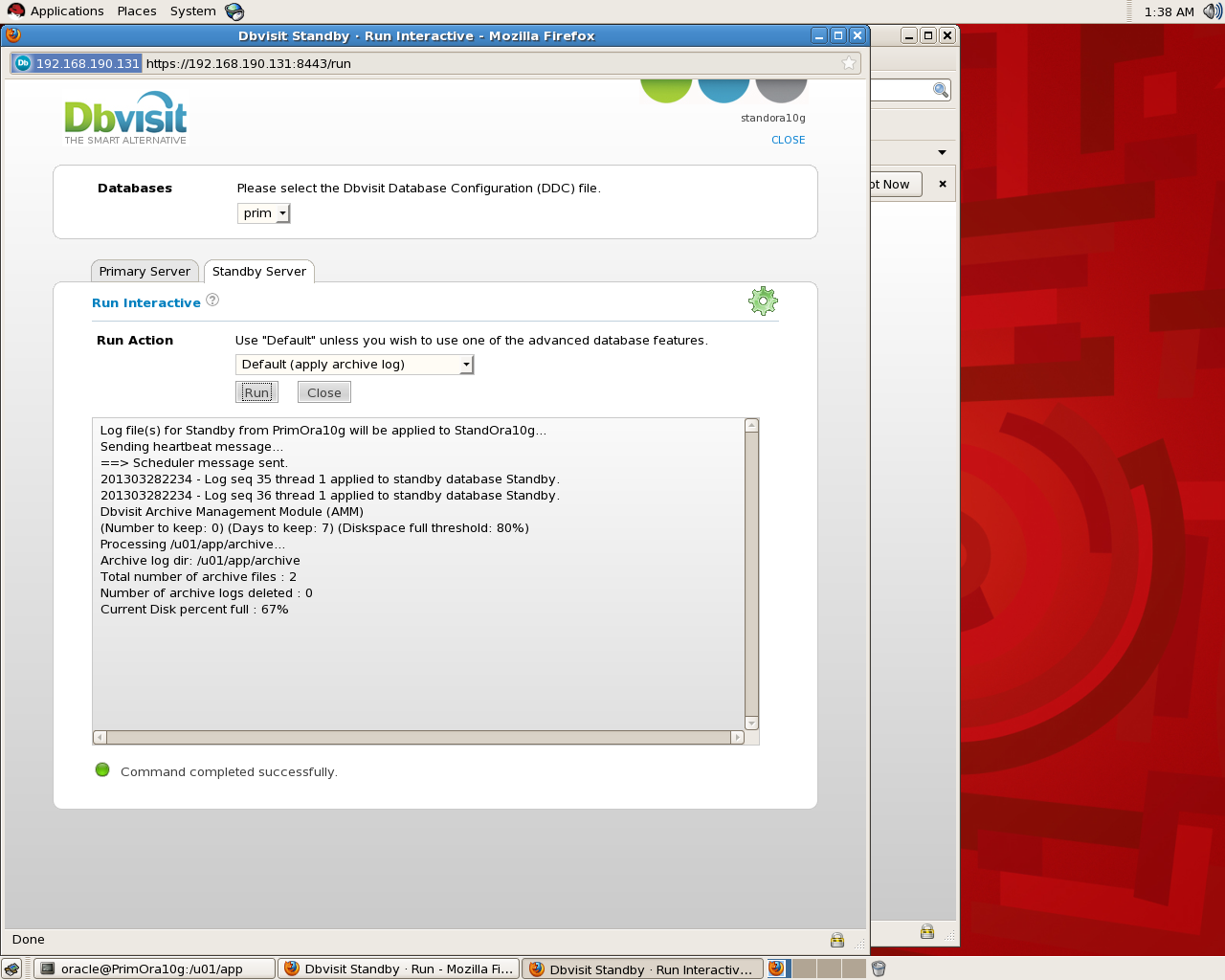
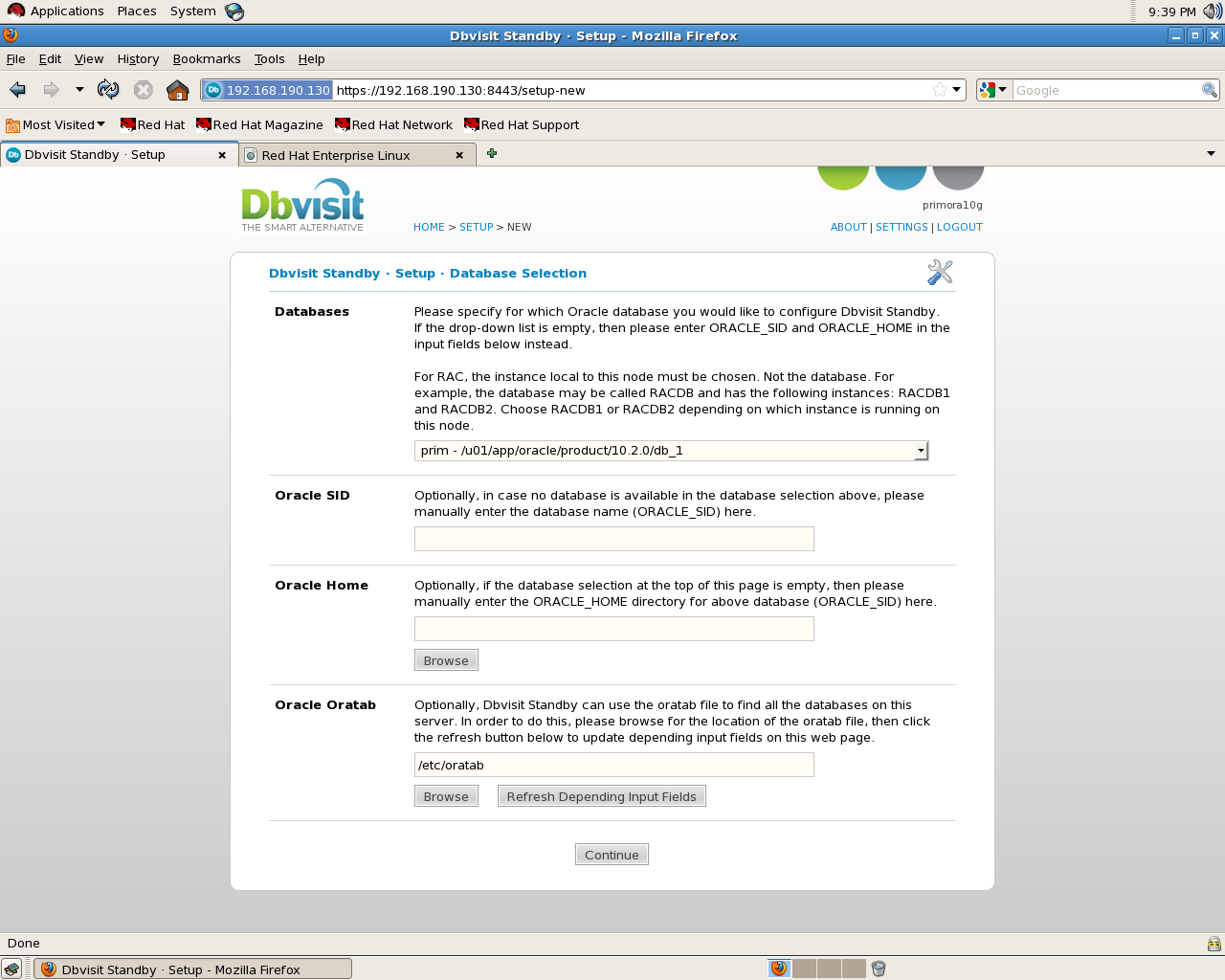
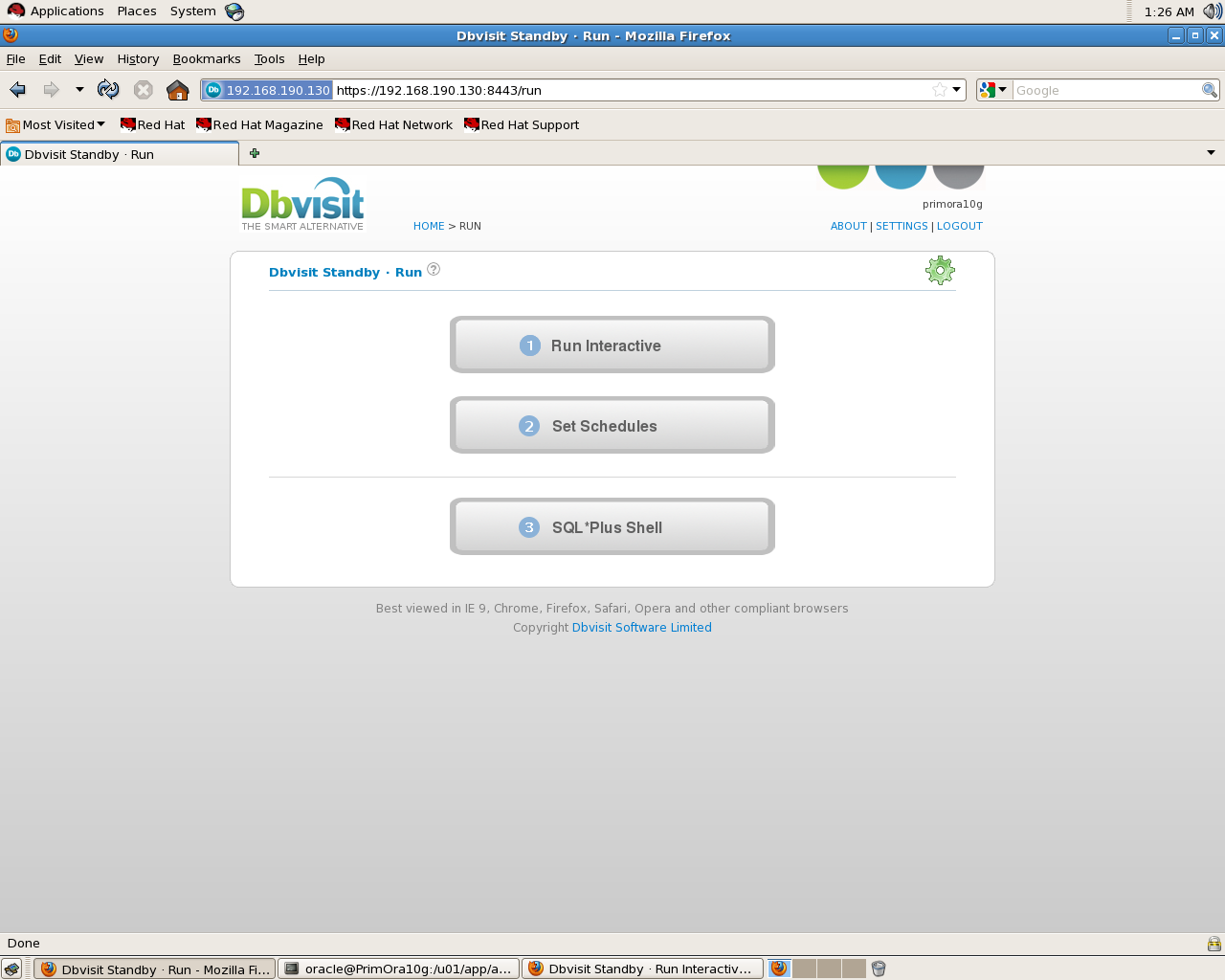
 There’s no need to mention Creation steps since everything already included in documents but the below will find some screen shot for the installation , Most of the steps done on Primary Database all you have to do on standby 3 steps as i remember :

On Primary Database :

Standby Screen Shot :

Thank you
Osama Mustafa
The Fastest Way to Create SSH between Servers

In this short Topic i will provide the 3 steps to create SSH ( User Equivalence ) Without Password you can find lot of way but it’s just simple way and don’t need much steps to create SSH between server.

Introduction for SSH, “Ssh is a secure remote login program that is similar to rlogin and rsh. The major difference between ssh and other remote login programs is that ssh encrypts the password and other information so that it can’t be “sniffed” by others as you type it. Ssh also sets up X11 connections, so the DISPLAY variable does not have to be set on remote machines. Scp is another program used to securely copy files from one host to another.”

Example To Use SSH in Oracle : Real Application Cluster ( RAC ).

The Steps :

#1:

Create New SSH Key

oracle@PrimNode$ ssh-keygen
Generating public/private rsa key pair.
Enter file in which to save the key (/home/oracle/.ssh/id_rsa):[Enter key]
Enter passphrase (empty for no passphrase): [Press enter key]
Enter same passphrase again: [Pess enter key]
Your identification has been saved in /home/oracle/.ssh/id_rsa.
Your public key has been saved in /home/oracle/.ssh/id_rsa.pub.
The key fingerprint is:
33:b3:fe:af:95:95:18:11:31:d5:de:96:2f:f2:35:f9

#2:

This Step will Just copy the password File Generated in Step 1 to Server 2.

oracle@PrimNode$ ssh-copy-id -i ~/.ssh/id_rsa.pub You need to use ip/hostname to another server.
oracle@Server2 password:
Now try logging into the machine, with “ssh ‘remote-host'”, and check in:
.ssh/authorized_keys
to make sure we haven’t added extra keys that you weren’t expecting.

#3:

Just Check

oracle@PrimNode$ ssh Server2
Last login: Thu Mar 28 01:54:21 2013 from primora10g
[Test it no password]
oracle@Server2$

Thank you
Osama Mustafa
Crack Oracle Password Example

Brute Force One of hacking way used application programs to decode encrypted data such as passwords or Data Encryption Just as a criminal might break into, or “crack” a safe by trying many possible combinations, a brute force cracking application proceeds through all possible combinations of legal characters in sequence. Brute force is considered to be an infallible, although time-consuming, approach.

To help prevent dictionary brute-force attacks many systems will only allow a user to make a mistake in entering their username or password three or four times. If the user exceeds these attempts, the system will either lock them out of the system or prevent any future attempts for a set amount of time.

Today i will provide example how to crack oracle password using Tools called orabf  please remember it’s only example and there’s million tools can do the same i will mention it later in this Topics and work on them in another thread.

Orabf is an extremely fast offline brute force/dictionary attack tool that can be used when the particular username and hash are known for an Oracle account.  Obviously the speed of the brute force attack slows down the longer the amount of characters that it is trying to brute force with but for short username/hash combinations it can be over a million tries per second. 

and you can visit the website here.

Check the below example :

set head off
set feed off
set verify off
Spool Hacker.lis
select password||’:’||username from dba_users
Spool off ;

Output sample for the file look like :

PASSWORD||’:’||USERNAME
————————————————————-
2D594E86F93B17A1:SYSTEM
8A8F025737A9097A:SYS
4F538DF5F344F348:MGMT_VIEW
FFF45BB2C0C327EC:DBSNMP
2CA614501F09FCCC:SYSMAN
BCD8F9C79618E694:MARIA
C43474F068EDB100:MARK
FB129C4425FBCF2E:TEST
224D9FB5D377B8E1:JENNIFER
6399F3B38EDF3288:HR
F894844C34402B67:SCOTT

if you have any tag on the column remove them and save the file again since Orabf  don’t read these tags

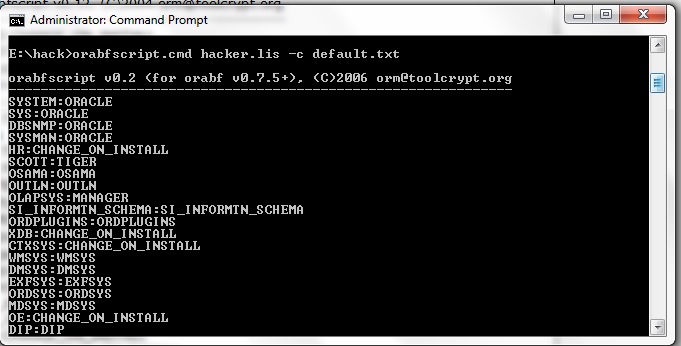
Because i am using version 0.7.5 the command should be like :

orabfscript hacker.lis -c default.txt

Remember Default.txt is the file already exist in the software and output append inside this file.

Small trick !!! i will provide another example using another software such as :

  • Repscan 
  • Checkpwd 
  • John The Ripper
  •  bfora

Thank you
Osama Mustafa